The Rebirth of Royalty
Pale faces under heavy, jewel-adorned crowns, lifeless portraits in gilded frames — Western culture reinforces this particular description of nobility. Cold. Calculated. Costumed. And, above all else, White.
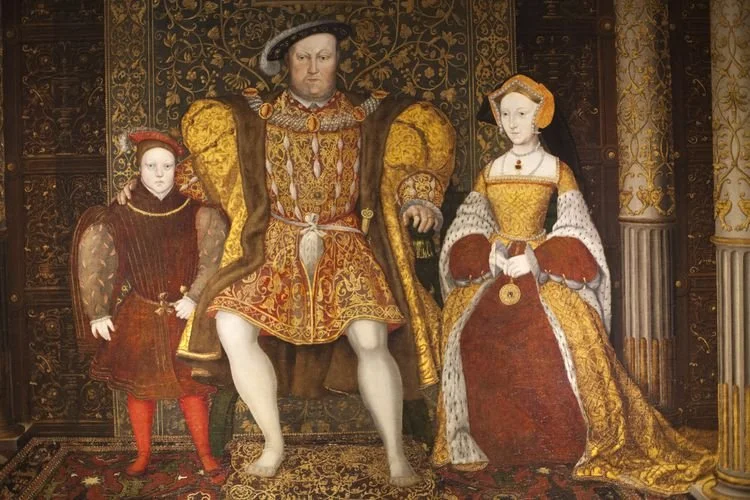
Henry VIII Poses for a Royal Portrait. Source: ThoughtCo
Americans tend to romanticize monarchy — consider the popularity of shows such as Bridgerton and The Great. Children aspire towards that Disney fantasy of gowns and crowns. Yet, that image of majesty rests on selectivity where stories are edited, airbrushed, and exported. The British crown was not a simple symbol of elegance or aspiration. It was a production of power, staged on the backs of the colonized. From engineering famines to violently suppressing uprisings, the empire was financed through brutality.
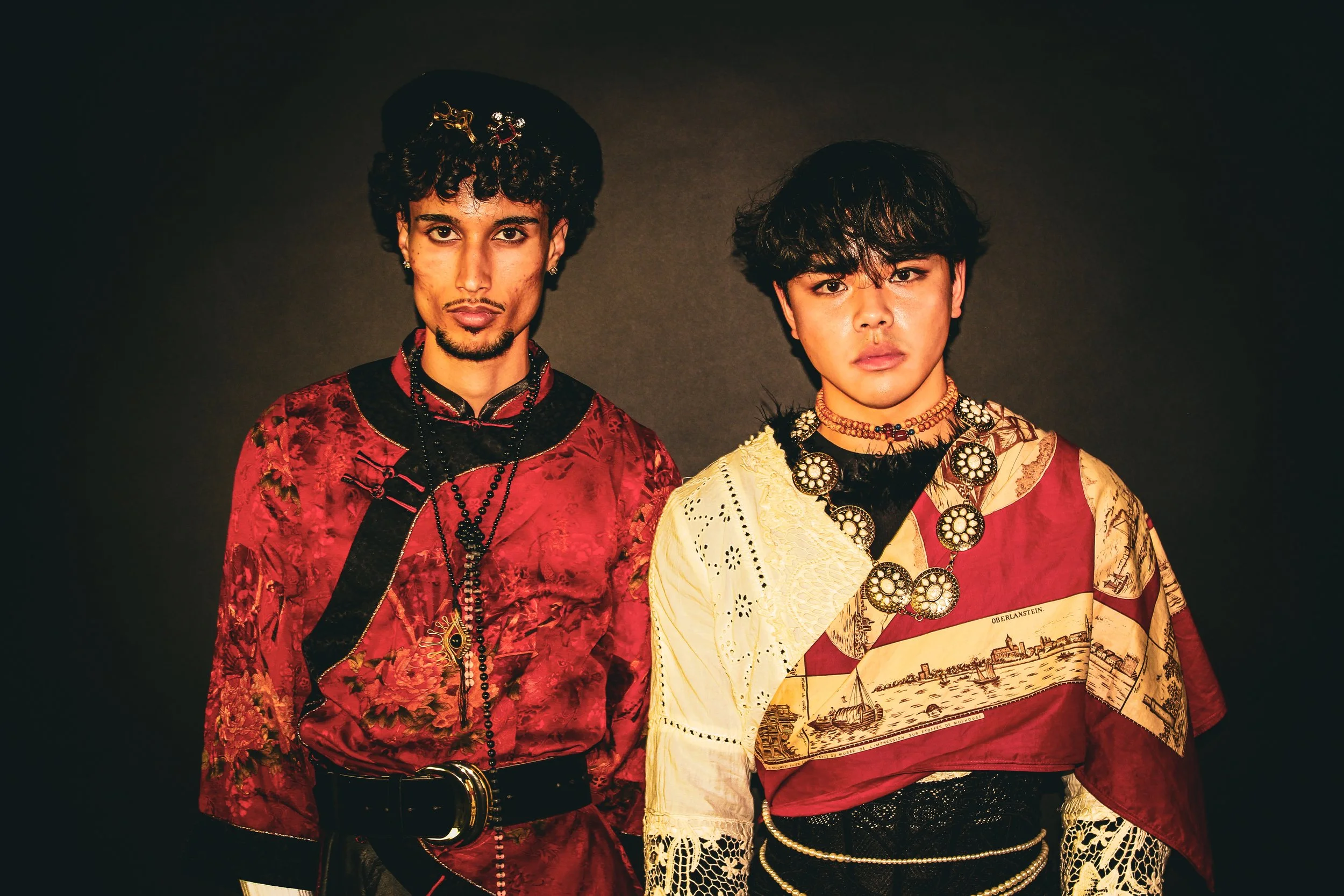
Today, stories are being rewritten. From Lagos to London, from Manila to Manhattan, royalty escapes the confines of European palaces as diasporic, queer, and marginalized communities redefine power. Gold bangles and jade pendants are not tribute to the empire but an emblem of survival. Each accessory showcases fashion’s role. It is sociopolitical commentary and personal coronation.
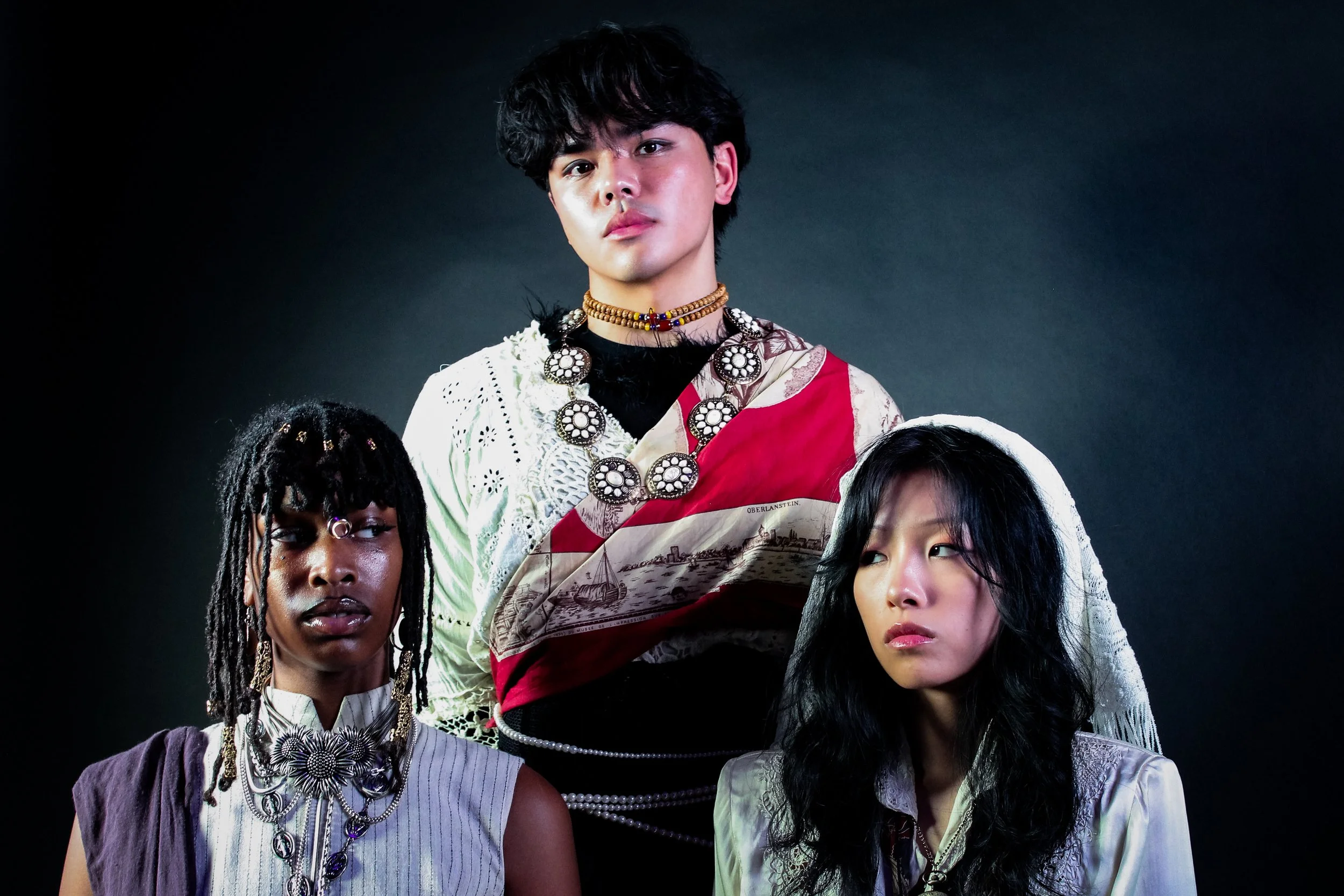
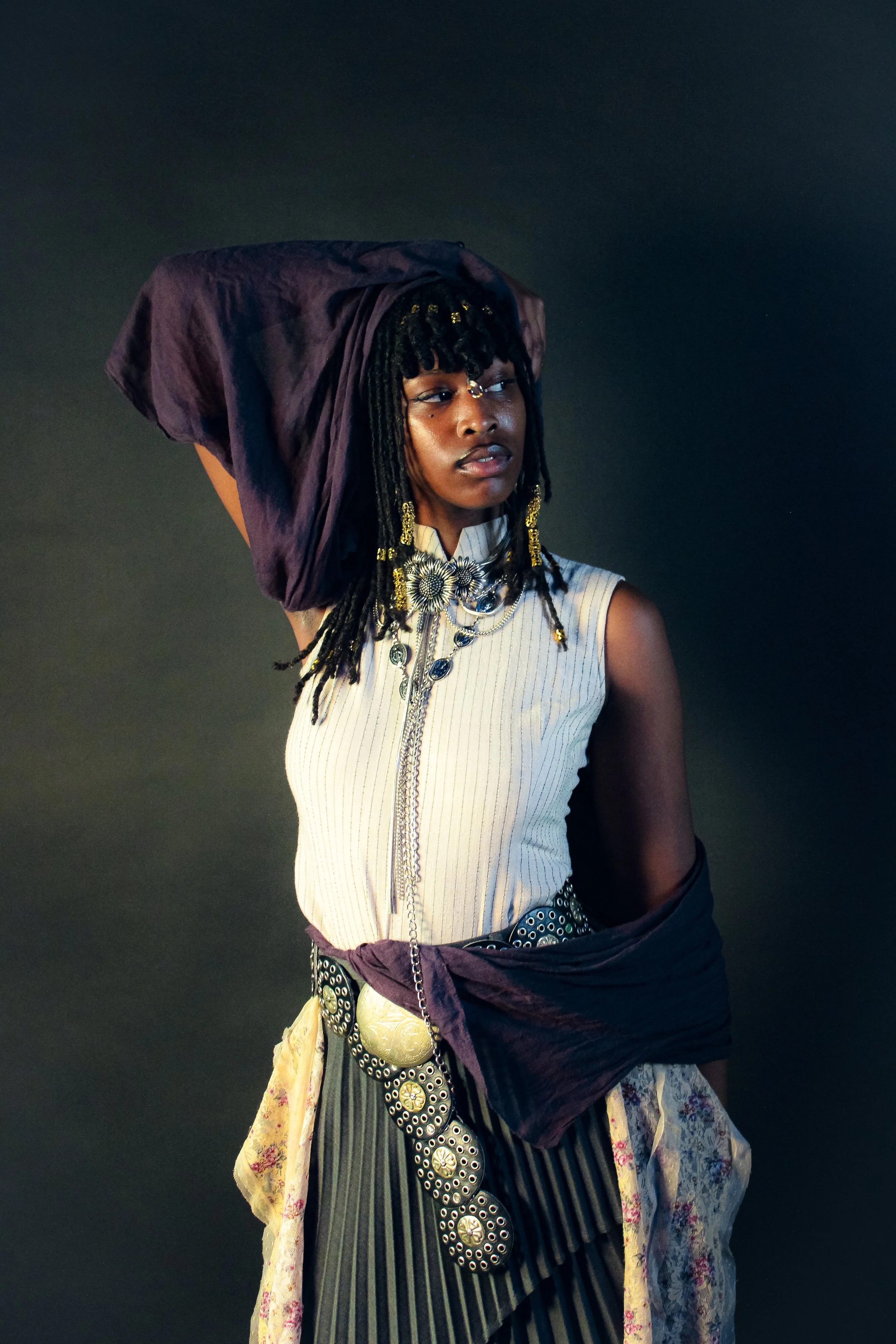
Original photoshoot by FAST at UCLA. Photography by Rajveer Batra and Suri Wan. Modeling by Rickia Latchman, Simran Ovalekar, Amadu Tadesse, Phiet Tran, and Michelle Vo. Wardrobe styling by Alison Hu and Jae Ou. Makeup by Téa Wagstaff. Production Assistance from Ishika Agrawal, Fiona Peng, and Sri Subramania Sharma.
Majesty: A Manufactured Myth
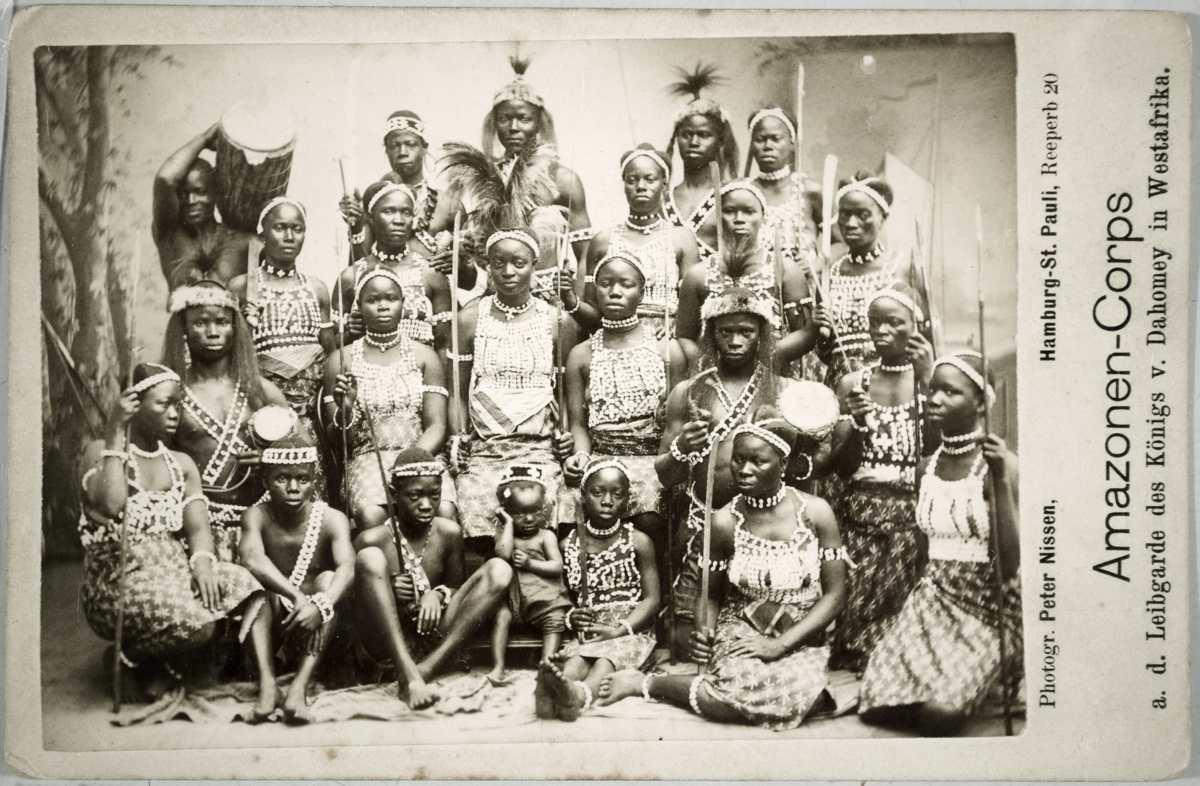
Monarchy has historically centered around performance. Every velvet robe. Every curtsy. Every choreographed bow. They exemplify rituals of obedience masked as divine right. Many historians have chronicled the genealogies of European rulers and inscribed their stories into academia. Yet, beyond these maps’ borders and textbook margins, vast empires exist — those home to queens of Yoruba kingdoms, the empresses of Mughal courts, and dynasties that predated Versailles.
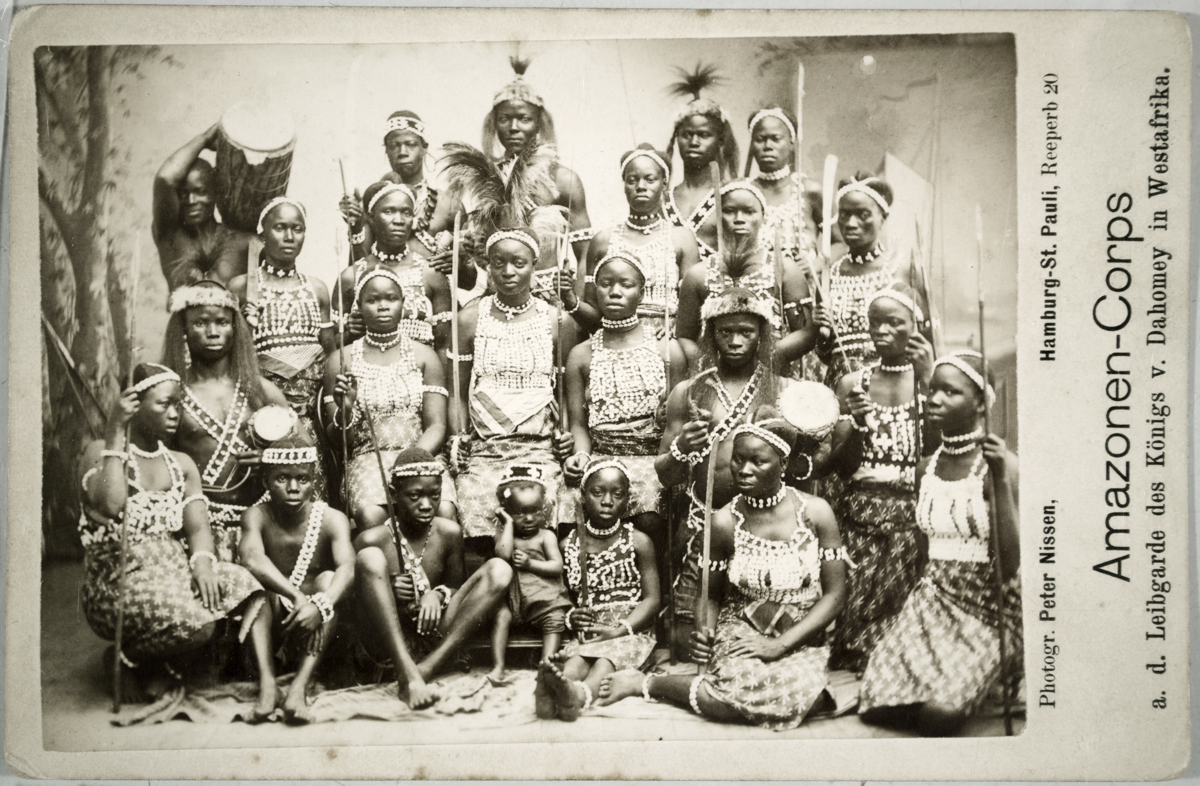
Women of Dahomey’s Ahosi, Elite Soldiers and Spies in the West African Kingdom of Dahomey Before French Conquest Ended Their Role. Source: University of Cambridge
Colonialism rewrote the record in its broadcast of pageantry. Through conquest, commodity extraction, and cultural domination, these empires left dusty trails of displacement. Imperial powers labeled non-Western regality as “exotic,” “tribal,” or even “primitive.” Under this colonial gaze, these “others” could never be sovereign.
The fascination with lineage is an extension of the obsession with legitimacy: who has control, who shapes the narrative. Yet, as the world reinvents itself in the post-colonial era, those fortresses of “majesty” begin to crack.
Colonial Theft; Cultural Return
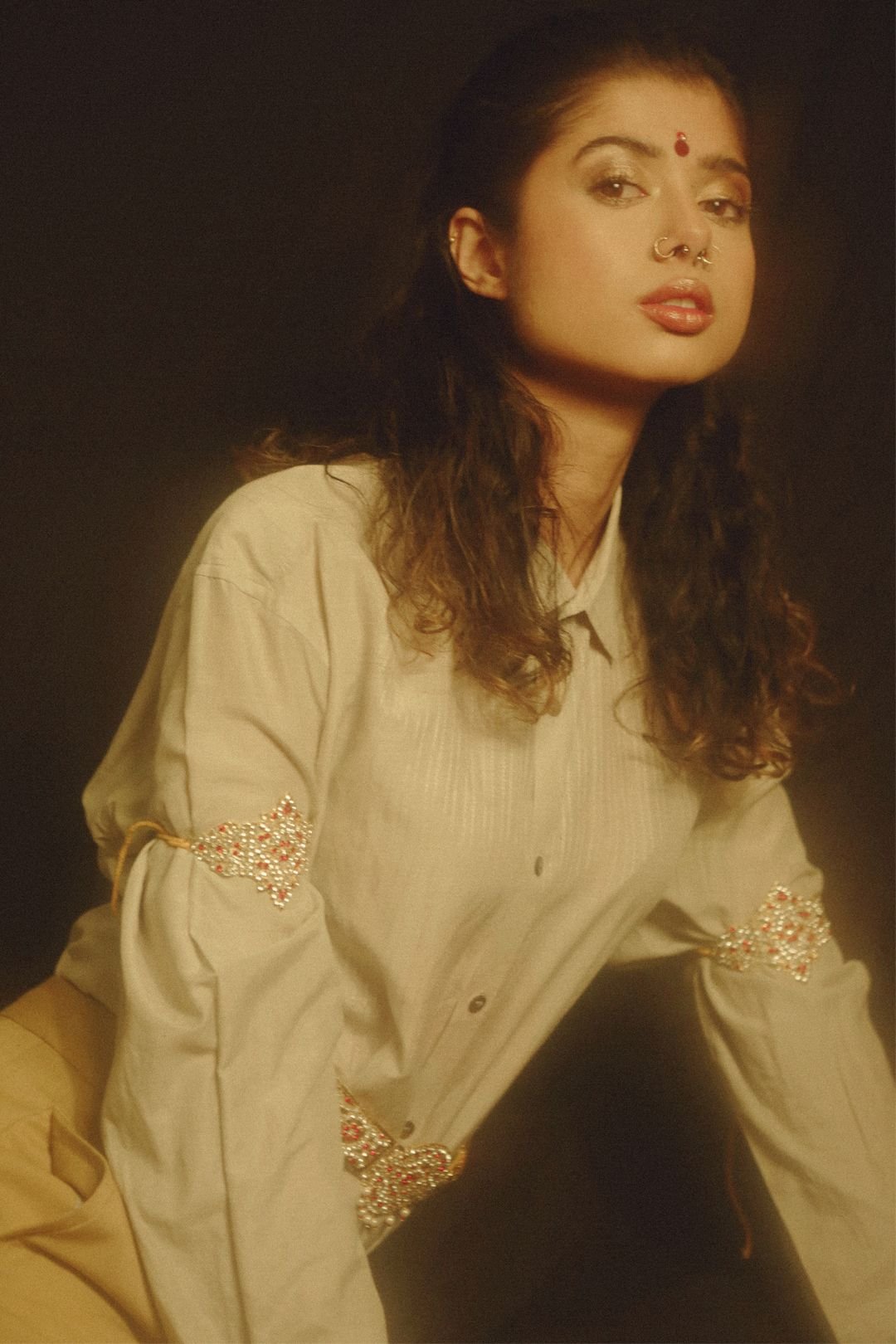
South Asian Women Reclaim the Bindi. Source: Vogue
Across the globe, many who grew up rejecting their heritage now embrace it. British influencer Simran Randhawa shared with Vogue why she began wearing a shimmering bindi in her later teenage years. “[It] very much comes from my apprehension [about] wearing Indian clothes outside of the house when I was younger,” Randhawa said.
Traditionally worn on the middle of the forehead, these dots often take the form of jewelry or red vermillion powder. The Western appropriation of the marking (e.g., Selena Gomez at the 2013 MTV Movie Awards) treats the tradition like a trend. Reminiscent of the Southeast Asian sculptures (and ancestral remains) housed in British museums, even seemingly simple treasures are taken by celebrities, so they can appear “exotic.”
Rather than sink into silent unease, many South Asians protest online. “I saw so many beautiful South Asians turn to social media as a platform to reclaim our culture,” Amisha Acharya, a Nepali-Hindi undergraduate student and bindi-wearer, shared with Vogue. “It’s part of my identity and where I come from,” she declared.
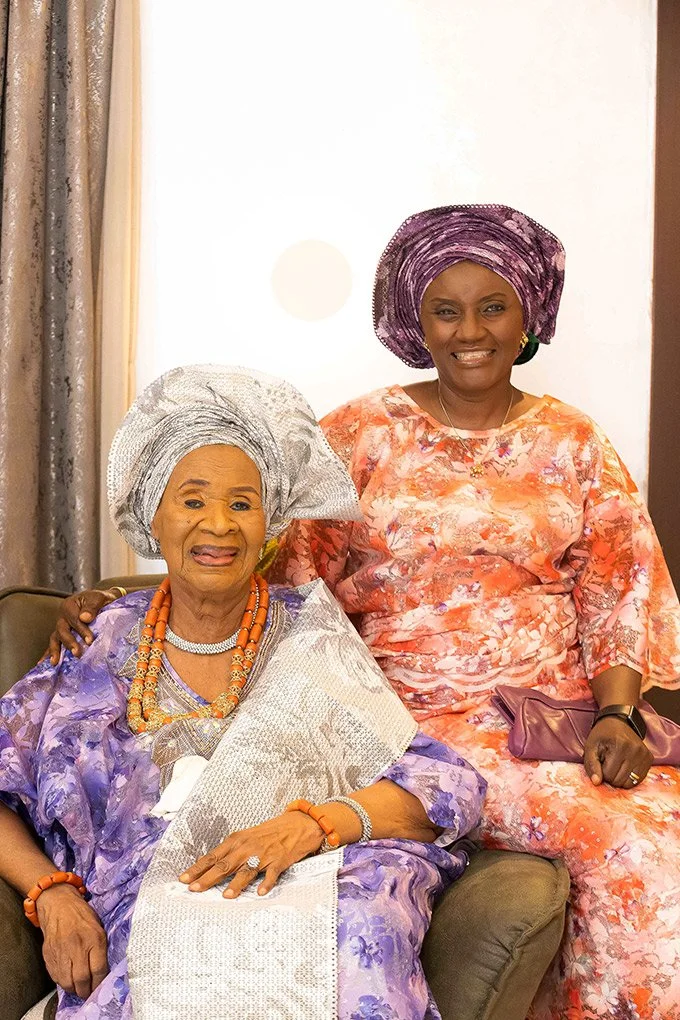
Fashion Designer Ify Ubby and her Grandmother. Source: Vogue
Similarly, individuals of Yoruba background often wear Geles — a traditional headwrap typically worn by women aged 20 and above — as a marker of elegance and maturity. With intricate geometric patterns and vibrant hues, the piece has transformed beyond its historic representation of marital and social status.
“They are symbols of pride, strength, and femininity,” Ify Ubby, a fashion designer of Yoruba descent, asserts. “Each Gele carries with it the essence of tradition, history, and identity…By incorporating Geles into my designs, I aspire to showcase my heritage.” These gestures of adornment echo one another in a broader conversation on how colonized peoples morph beauty into a form of testimony.
When a South Asian student drapes her forehead in bindis or a Nigerian creative ties her Gele with precision, they do not flaunt excess or perform to please. They practice memory. Each gemstone dot and tuck of silk do not merely imitate crowns. They honor heritage. Through every thoughtful motion, they reclaim their roots.
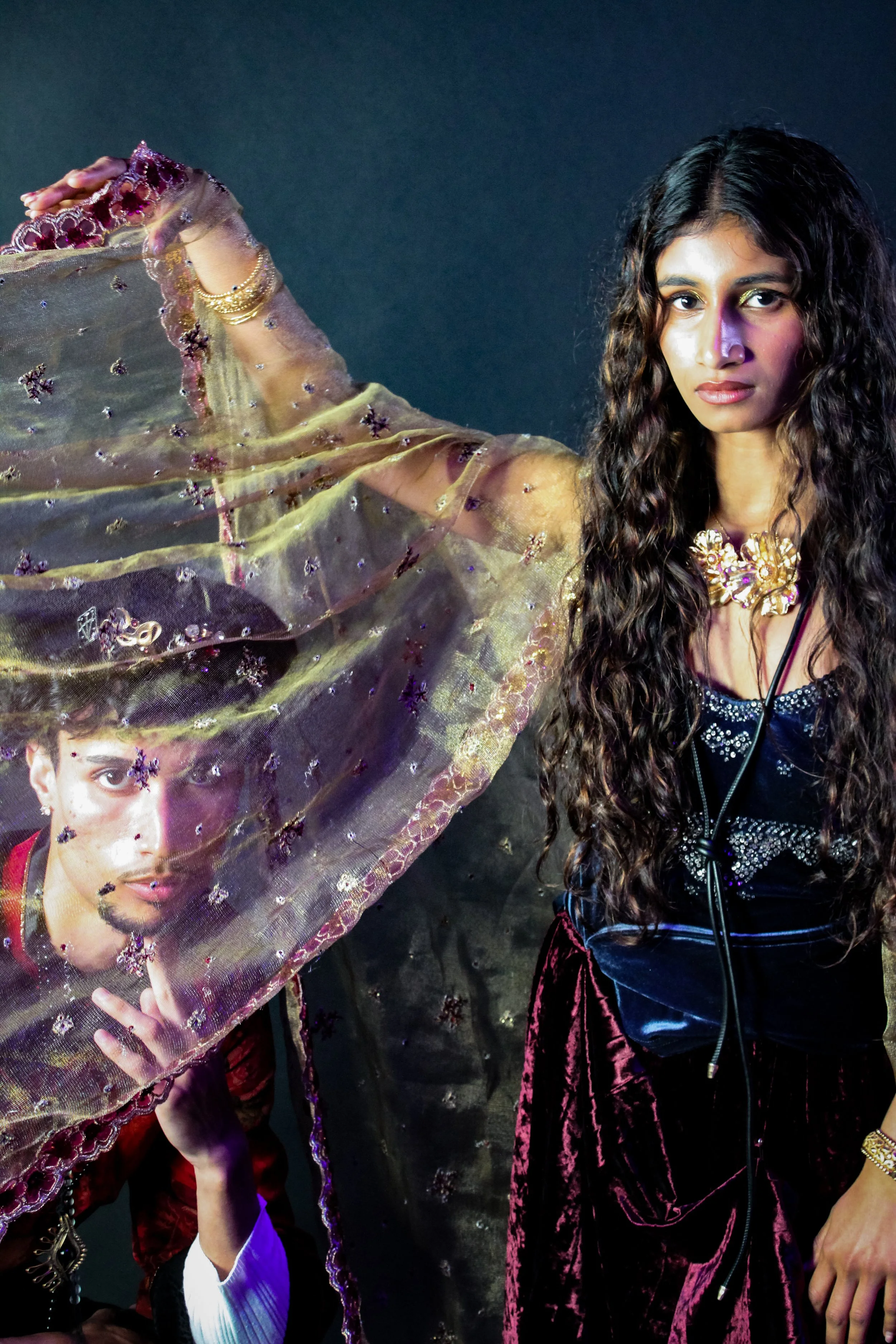
The Runway as a Throne Room
Contemporary fashion challenges conceptions of empire. In this new realm, the formerly excluded construct the crown. Designers such as Guo Pei, Telfar, and Anifa Mvuemba shift the spectacle of monarchy into a looking glass, asking who earns, rather than inherits, the stage. In an industry traditionally dominated by White men (e.g., Christian Dior, Karl Lagerfeld, Louis Vuitton), these designers reconstruct luxury, centering it around cultural memory, community, and self-sovereignty and reclaiming labor that was previously exploited by the crown.
Guo Pei crafts cathedrals from silk. In each golden stitch and every embroidered embellishment, the Chinese fashion designer honors the tales her grandmother told her as a child — stories of exquisite gowns and rich family history. Her design journey deviated from the traditional Parisian system when she began her house in 1997. “She didn’t know how a couture house was formulated,” Jill D’Alessandro, curator of her 2022 exhibition in San Francisco, shared with BBC. Guo Pei’s designs defy the norm by blending Napoleonic uniforms, sculpture, and embroidery while referencing Chinese Imperial Court tradition and European Baroque architecture. Her work reclaims the grandeur once monopolized by Europe’s courts, threading Chinese history into the seams of global couture.
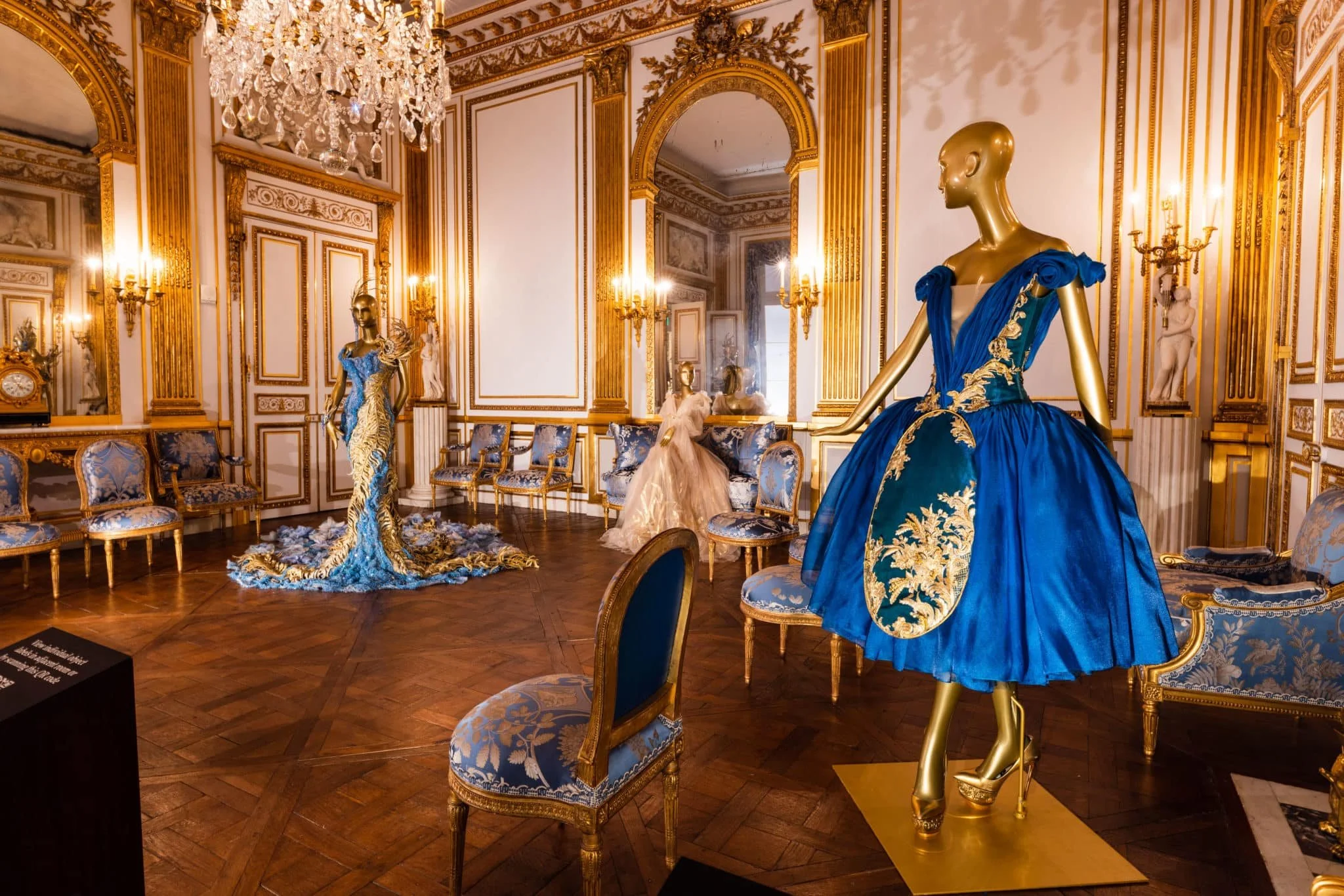
Guo Pei Exhibition at the San Francisco Legion of Honor. Source: Secret San Francisco
As Guo Pei stitches tradition through spectacle, Telfar Clemens refashions it through inclusion. “Not for You — for Everyone” is his brand ethos. Distinguishing himself from the status-centered industry, the New York City native promotes accessibility over exclusivity. Telfar’s products, particularly the viral Shopping Bag, are priced lower than traditional luxury items. By democratizing luxury, Clemens dismantles the once-revered couture hierarchy. The Liberian-American designer (and the 2017 CFDA/Vogue Fashion Fund winner) proves that sovereignty is not inherited. It is shared.

Telfar Clemens Rewrites Luxury Retail. Source: Harper’s BAZAAR
Designs from Anifa Mvuemba and Virgil Abloh further exemplify this rise of rebellion and redefinition. Mvuemba, founder of Hanifa, is known for her 3D digital runway, which redefined visibility for Black women in fashion. Her designs, crafted to celebrate form and lineage, rendered technology an heirloom. “I am so intentional about everything I do with this collection,” the designer said. She described how she wanted to “give tribute to African seamstresses” through her attention to detail in prints, color, and craftsmanship. Abloh, meanwhile, redefined royalty through blurring the boundaries between luxury and streetwear. In his world, a hoodie could hold the same authority as a crown. Before his passing in 2021, the Off-White founder showcased how majesty exists wherever creativity defies constraint.
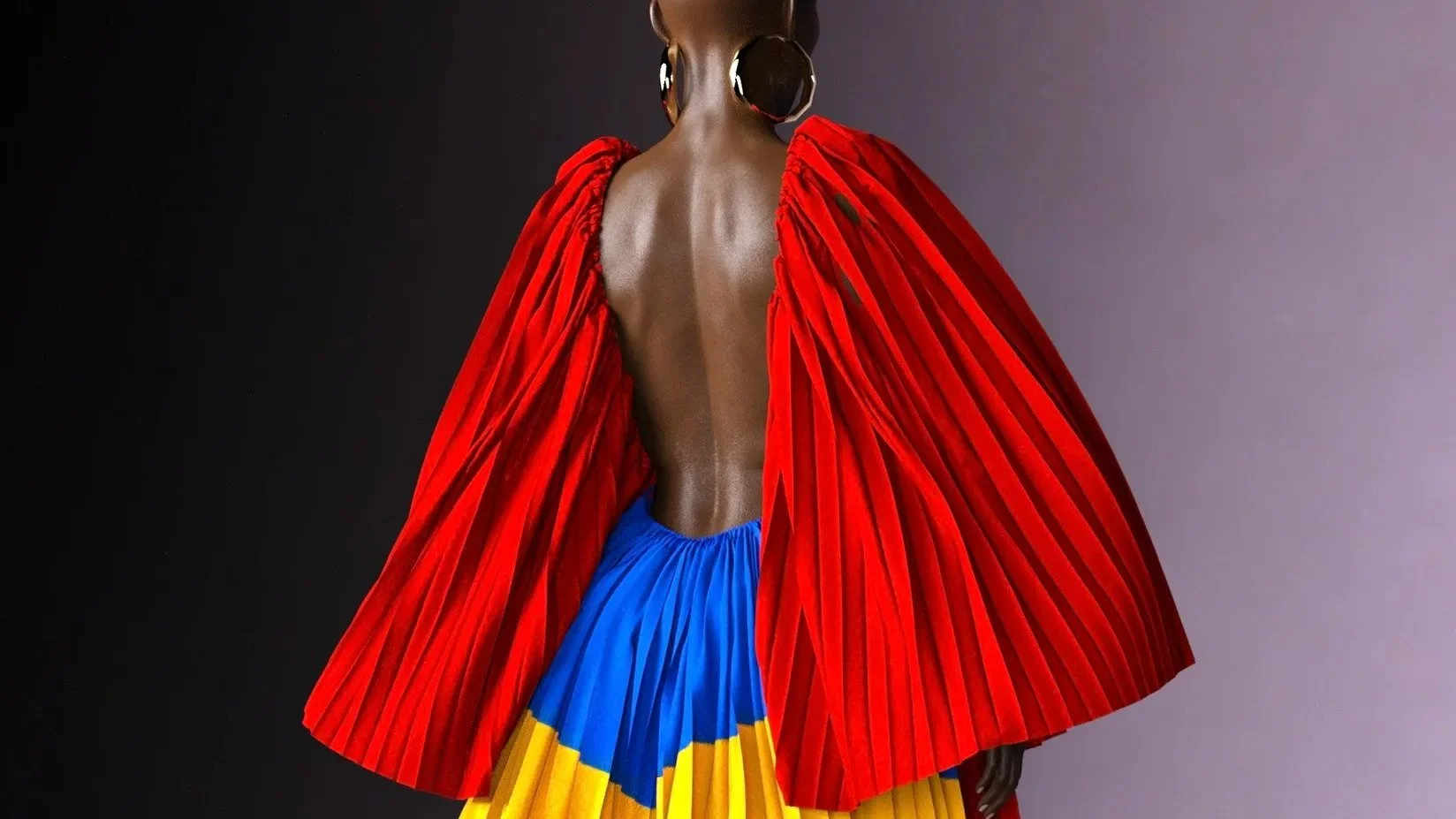
Hanifa’s 3D Digital Fashion Show Challenges Runway Norms. Source: Teen Vogue
Coronation is no longer confined to Buckingham Palace. In Black Is King, Beyoncé stages royalty as a form of reclamation through the use of cowrie shells, animal prints, and pearl headdresses. The visual album defines “king” as representing the innate power that has been seized from Black people across the world. Through this project, the “Run the World” singer aims to restore that power.
Rihanna, too, epitomizes a modern majesty. The Barbadian vocalist enchants audiences at the Met Gala — an event that becomes a modern pantheon through her extravagant ensembles. Her Margiela pope look in 2018 is perhaps her most memorable. Or possibly her fur-trimmed, canary yellow gown with a 16-foot train (designed by Guo Pei) carries that title. In every look, she crowns herself, not through lineage, but with the audacity to take up space.
Whether it's Bad Bunny donning skirts and jewels or Janelle Monaé flaunting structured tuxedos, fashion facilitates this ascension. These looks are more than outfits. They are cultural coronations that reframe power as something shared, shifting, and defiant. Royalty rebels against tradition.
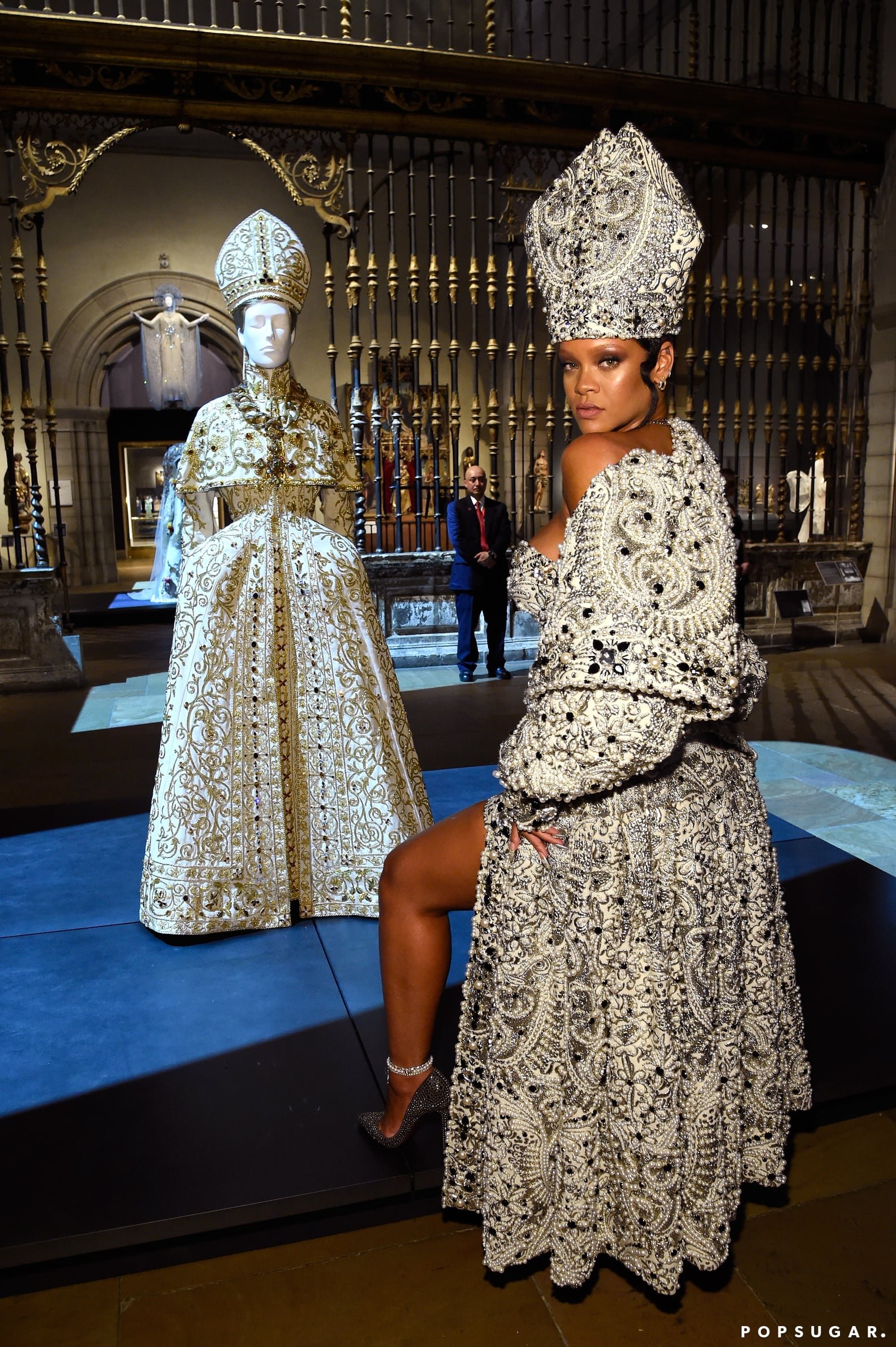
Rihanna at the 2018 Met Gala. Source: Popsugar
Royal Rituals
“Queen” is more than a title. It’s an affirmation. In ballroom culture, in drag shows, in hip-hop lyrics, what does it mean to call someone “queen”? It means to anoint them with selfhood — to see their power. To be a queen? It is sovereignty reclaimed from a world that once refused to recognize it.
“When I say I’m Queen Latifah, it has nothing to do with rank,” the “U.N.I.T.Y.” singer said in 1989. “As far as my descendancy, all Black people come from a long line of queens and kings that they never knew about.” For Latifah and those who echo her, royalty is not an illusion of status. Instead, it is an act of self-recognition. To be a queen is to know your worth.
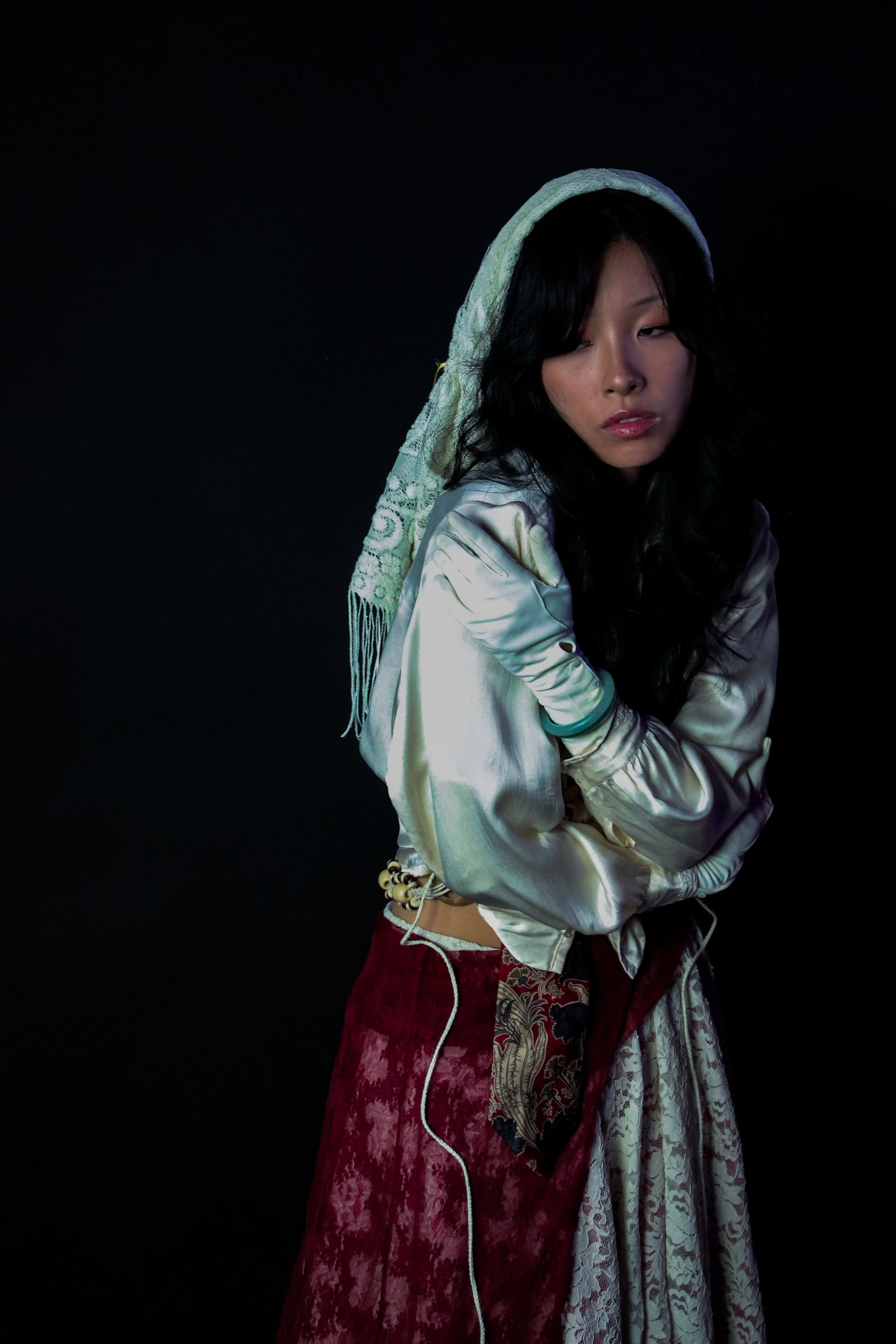
The rituals of royalty commence in the everyday — braiding hair, lining lips, fastening jade necklaces. Small and sacred gestures are the new scepters. Each thoughtful selection reinforces regality.
Unlike lineage, which derives from blood, the modern definition of regality illustrates how sovereignty is communal. Reshaped through the creativity and resistance of those whose voices were formerly suppressed, royalty is passed through chosen families, through shared mirrors and mixtapes, and through collective protest.
As the lexicon of power evolves, scars become emblems and laughter epitomizes resistance. Every raised fist, every chant, every reimagined symbol of rule reminds the world that true royalty is forged in fire — not inherited but earned.
Rebirth
Across cities and generations, people reclaim the space once denied to them. Majesty no longer equates to lineage. It resides with those who dare to wear their histories.