

Ballroom: Artistry in Motion
Inside the Heritage & Heart of Ballroom Culture
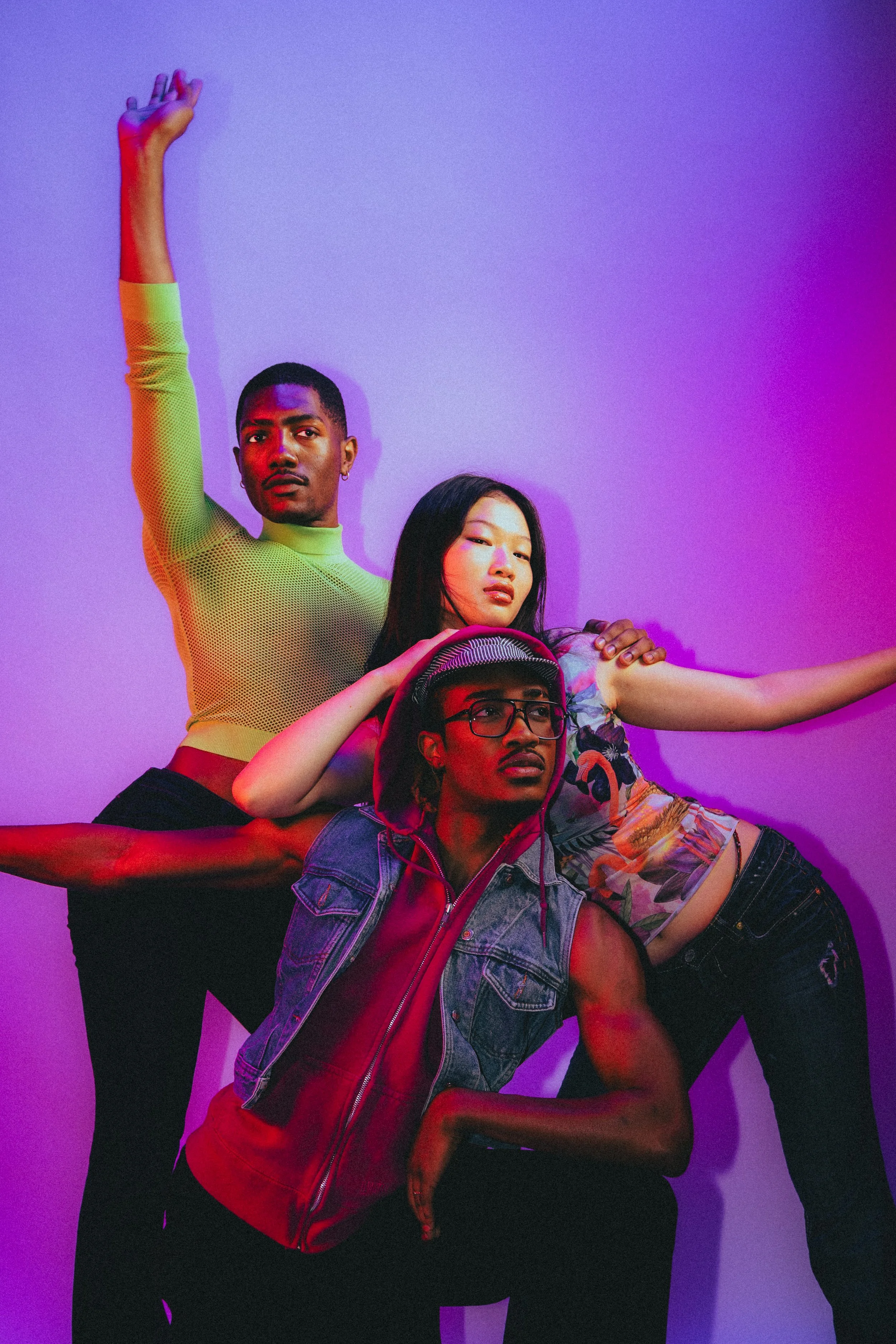
Original photoshoot by FAST at UCLA. Photography by Taniya Cooksey and Umu Diallo. Modeling by Thomas Foster, Regina Lee, and Leian Mulatre. Wardrobe styling by Joey Chen and Graciela Pandy. Production Assistance from Amanda Xi and Karen Chen.
Pink feather-covered fans, pearls, and perfectly-tailored Prada gowns. These were some of the ethereal sights that defined the Harlem ballroom scene in the 1980s. Ballroom competitions presented platforms for extravagance (or Xtravaganza) where people could perform identities and aesthetics that society often denied them. Amidst systemic discrimination, runways transformed into a stage for expression, artistry, and strength.
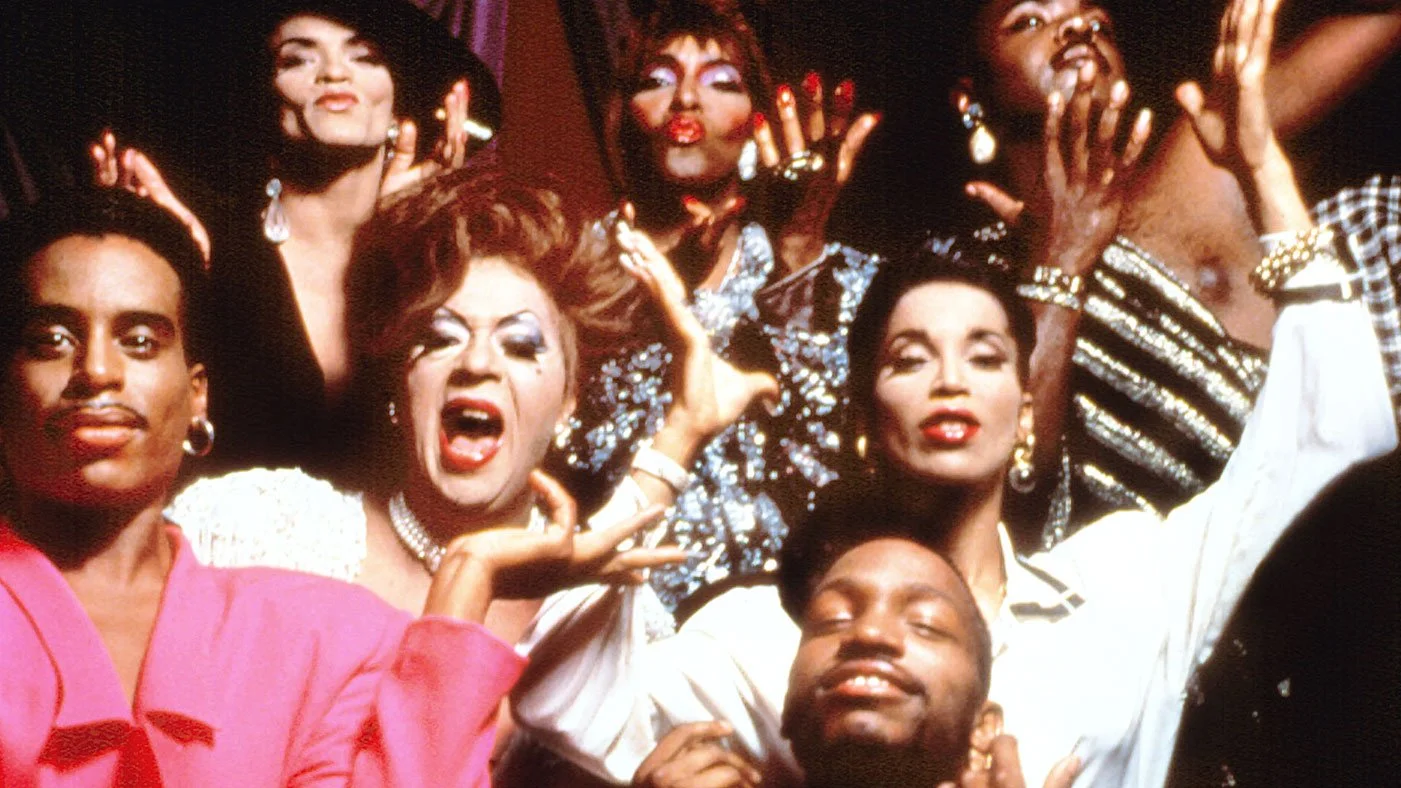
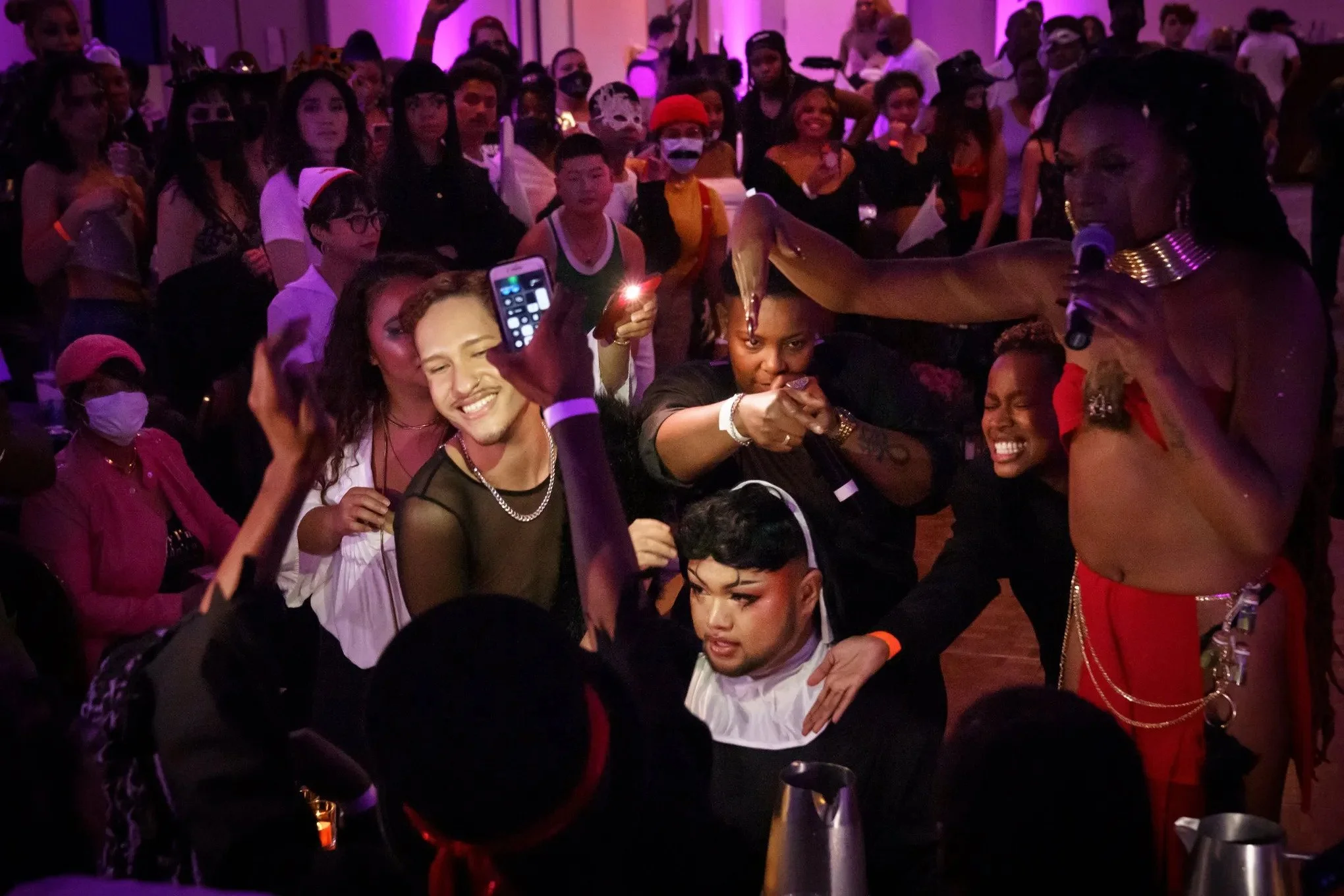
Ballroom refers to an underground performance culture that originated in Black and Latinx queer communities. In this scene, individuals take part in “balls” — vibrant events where people can compete in expressive dance competitions (i.e., vogueing), flaunt their runway walks, and win in categories such as “realness” and “face.”
“Houses” further characterize ballroom culture. They function as chosen families, supporting many who have been rejected by their biological relatives. Houses, such as the House of Balmain or the House of Bruin at UCLA, also foster community building.
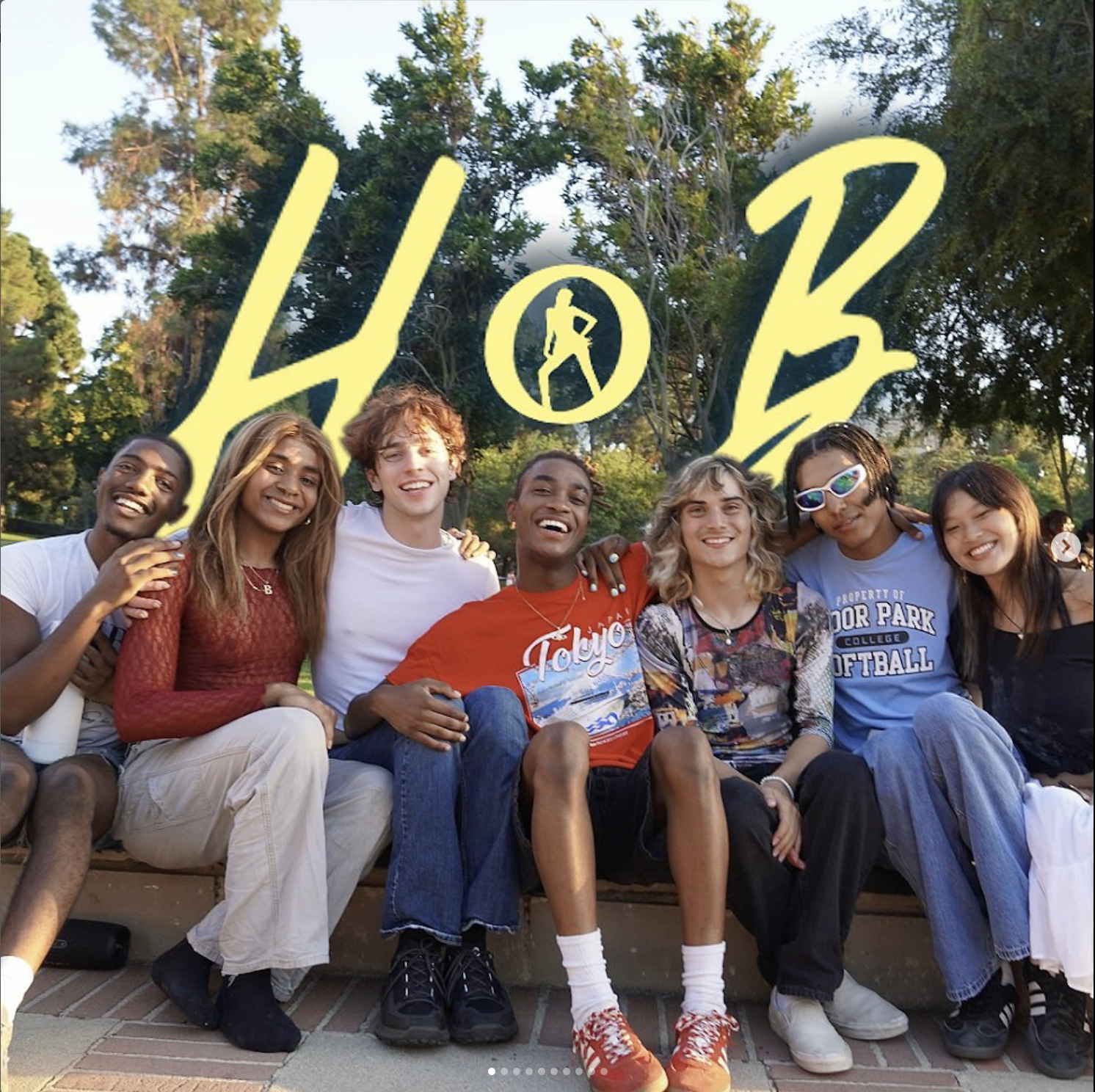
The structure and support offered by houses not only sustain the culture internally. They also propel the artistic expressions that underline ballroom’s impact. Each movement redefines beauty, status, and success.
Jennie Livingston’s documentary, Paris Is Burning (1990) captures this essence. The film helped shift this culture into the mainstream and immortalized its icons upon its release. Since then, the allure of the ballroom aesthetic has proliferated across the entertainment industry.
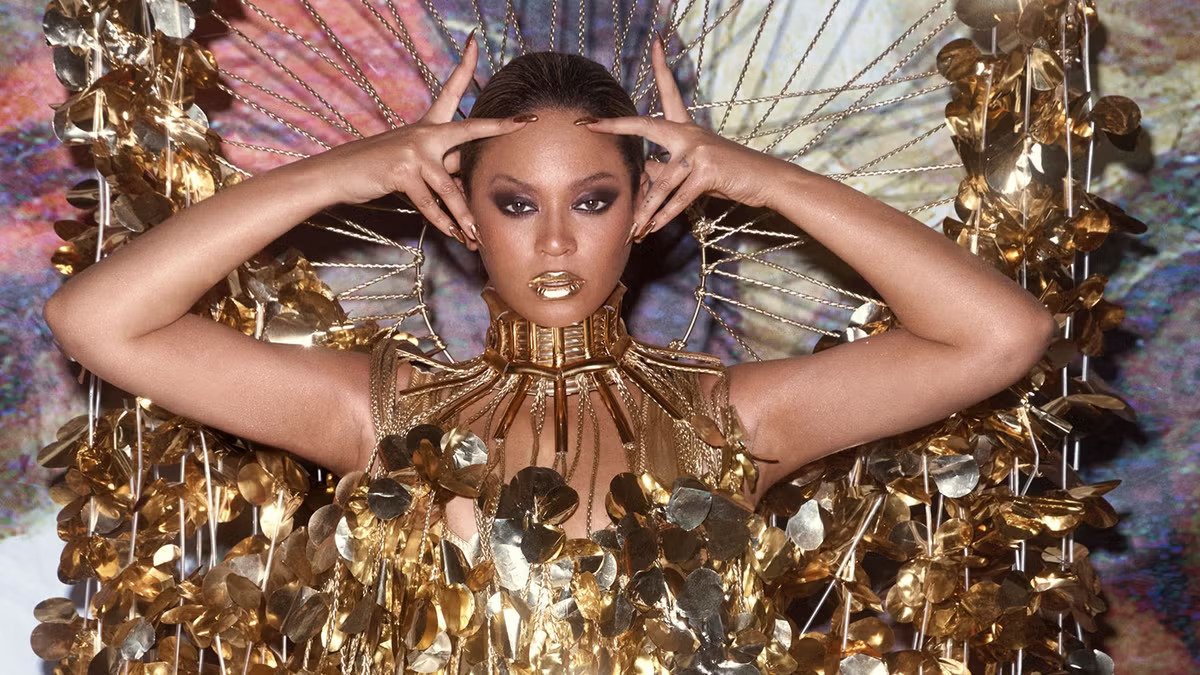
Think of the choreography and staging of “PURE/HONEY” on Beyoncé’s Renaissance World Tour. Ballroom’s influence is unmistakable. Beyond Beyoncé, fashion labels such as Vivienne Westwood and Alexander McQueen have also incorporated ballroom-inspired elements into their garments and set designs. Even language born within the community — terms such as voguing, cunt (used to praise someone's confidence and aesthetic excellence), and chopped (meaning rejected or disqualified) — have entered mainstream vocabulary through pop culture and social media. Yet, despite its widespread adoption, the pioneers who built ballroom’s foundation remain overlooked by the broader public.
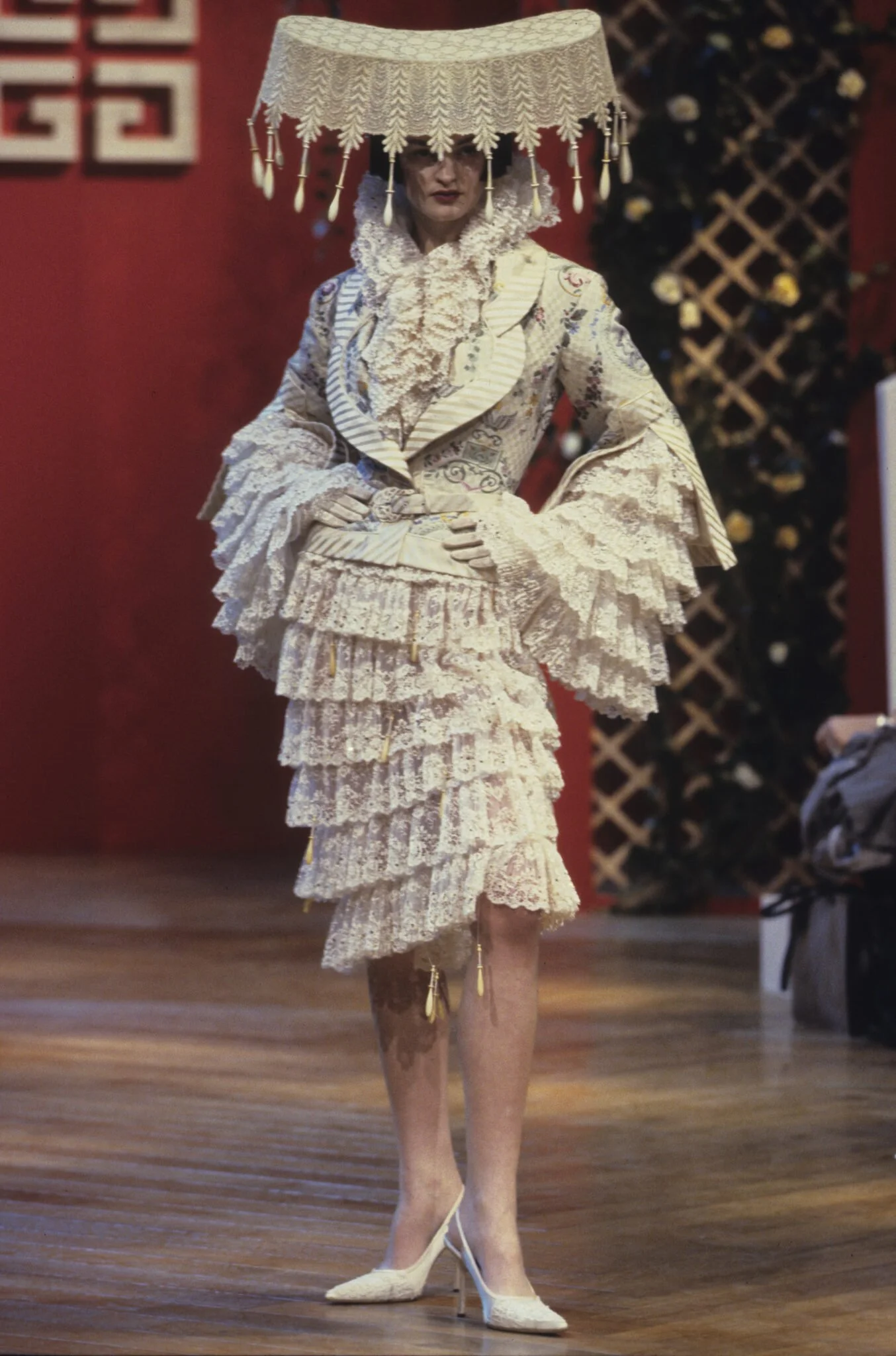
This culture is so much more than a mere stylistic direction. Its impact exceeds that of some typical, fading fashion trend. Ballroom symbolizes radical resistance. The clicks of heels and the chorus of applause greet competition guests, admiring those who reclaim power with every pose.
Historical Foundations
Visitors to 1980s Harlem would be initially greeted by bleakness. Economic devastation was common. Gentrification efforts increased. Unemployment rates rose. Violent crime surged. Poverty proliferated. Yet, Harlem exhibited resilience and a commitment to artistry, which the ballroom scene exemplified.
Long before the rise of “Houses,” these balls began to thrive after the Civil War. Attendees gathered to watch competing female impersonators. Locations such as Hamilton Lodge No. 710 hosted regular events. The taboo nature of these balls only increased their appeal as ballroom was driven underground. Later, the Harlem Renaissance heightened the scene’s popularity.
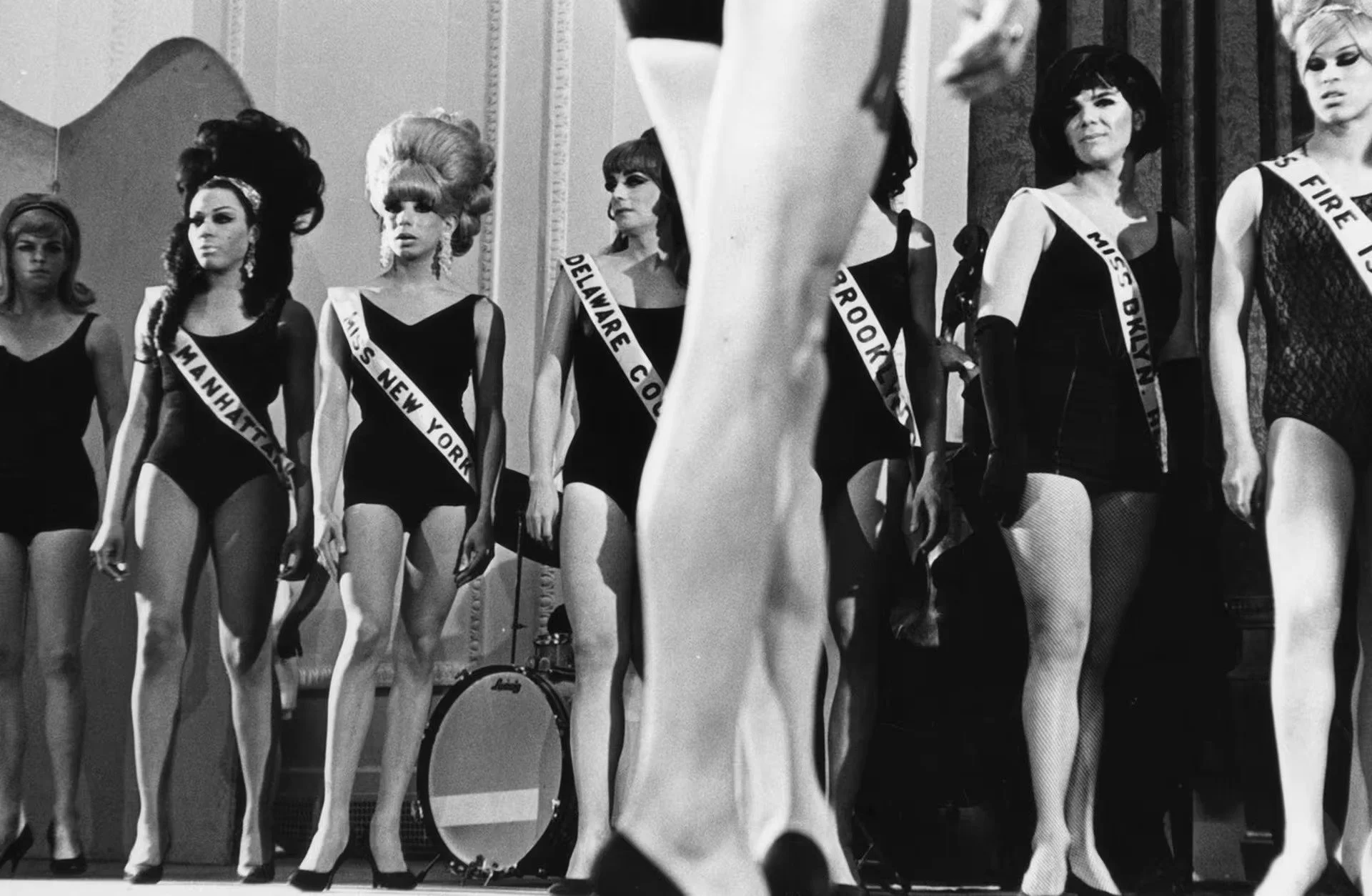
These early scenes gave queer and gender-nonconforming people refuge at a time when their identities were criminalized and erased. As segregation and rigid gender norms defined public life, balls offered freedom — a space to be seen, celebrated, and liberated from a hostile society.
Yet, despite Harlem’s diverse nature, judges generally favored White, Eurocentric features. This discrimination prompted those such as Crystal LaBeija, a Black trans woman, to call out the blatant racism. “I have the right to show my color, darling,” LaBeija declared. Later, the House of LaBeija became the first-ever ballroom “house” geared towards supporting Black queens. In 1982, Hector Valle, a Puerto Rican voguer, started the first Latinx house.
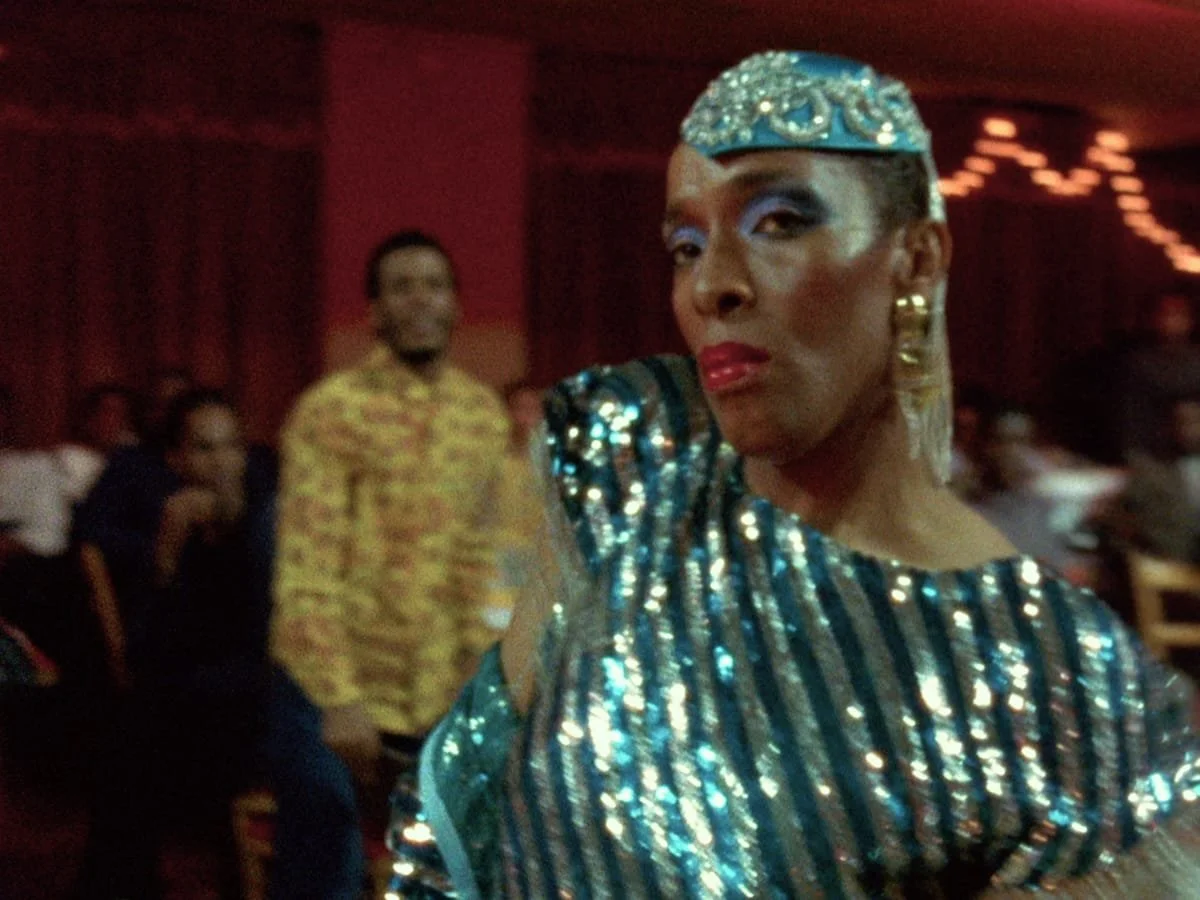
These acts sparked a foundation for a culture that would not only endure but evolve into a lifeline for future generations. What began as a rebellion against racist beauty standards in mid-century Harlem has morphed into a global community, still led primarily by Black and Brown queer individuals. Ballroom’s history is more than performance. It is survival.
“In a ballroom, you can be anything you want,” Dorian Corey shared in Paris Is Burning. For many today, that freedom is not available elsewhere. “Ballroom, to me, is really a safe space for literally everyone,” said Eli Allen, a fourth-year geography major and founding member of UCLA’s House of Bruin (HoB). “Primarily Black and Brown queer individuals…[it’s] a space to feel liberated.”
Ballroom Aesthetics: Origins & Impact
No entity in fashion wields more influence than Vogue. This magazine was the scene’s Bible — a sacred text inspiring legends.
According to firsthand accounts, iconic drag performer Paris Dupree pulled out a copy of the magazine at an after-hours club called Footsteps. Dancing, she opened it, turned to a page where a model was posing, and stopped — posing on the beat. She hit another pose. Again, on beat. Another queen followed.
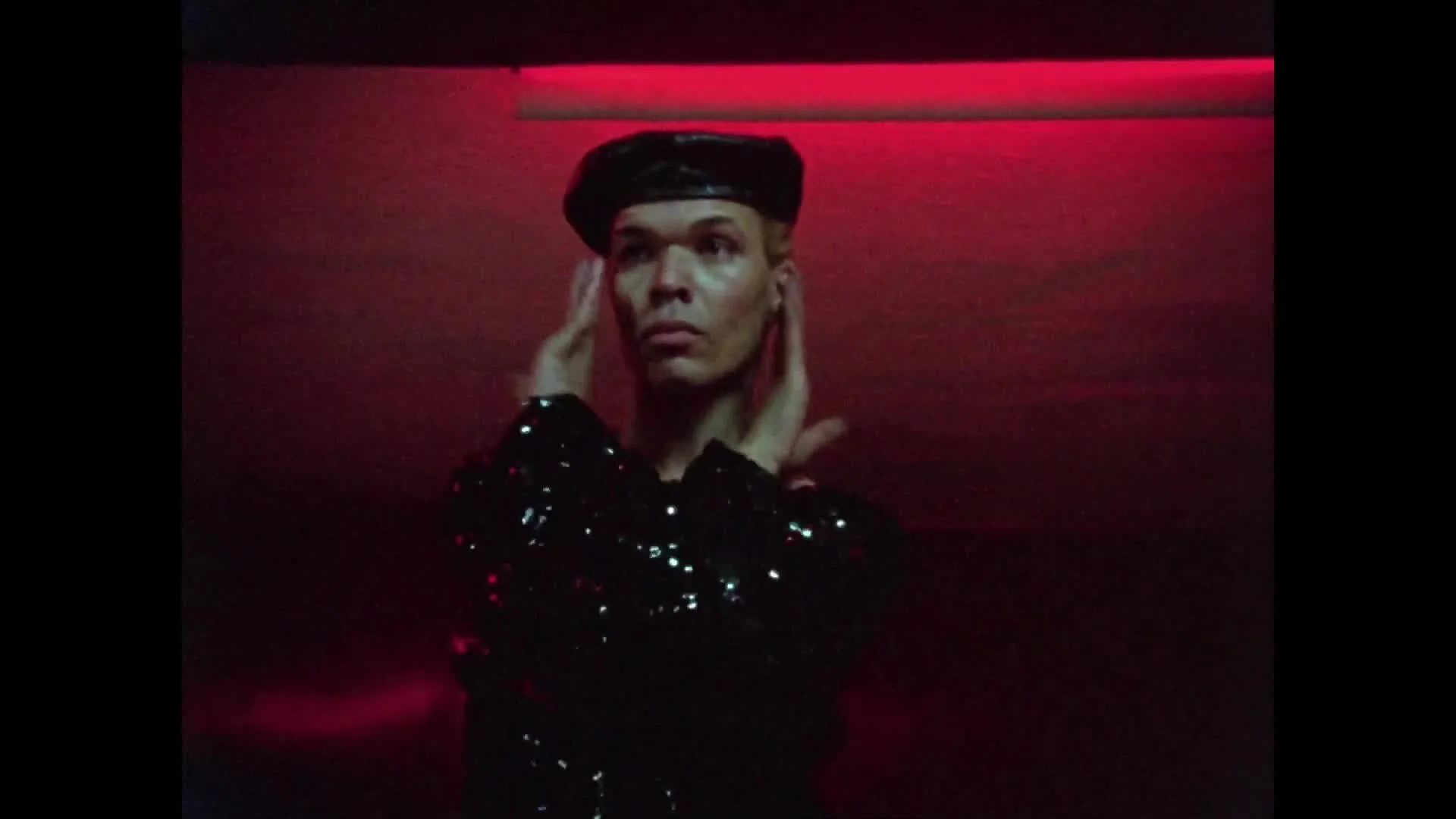
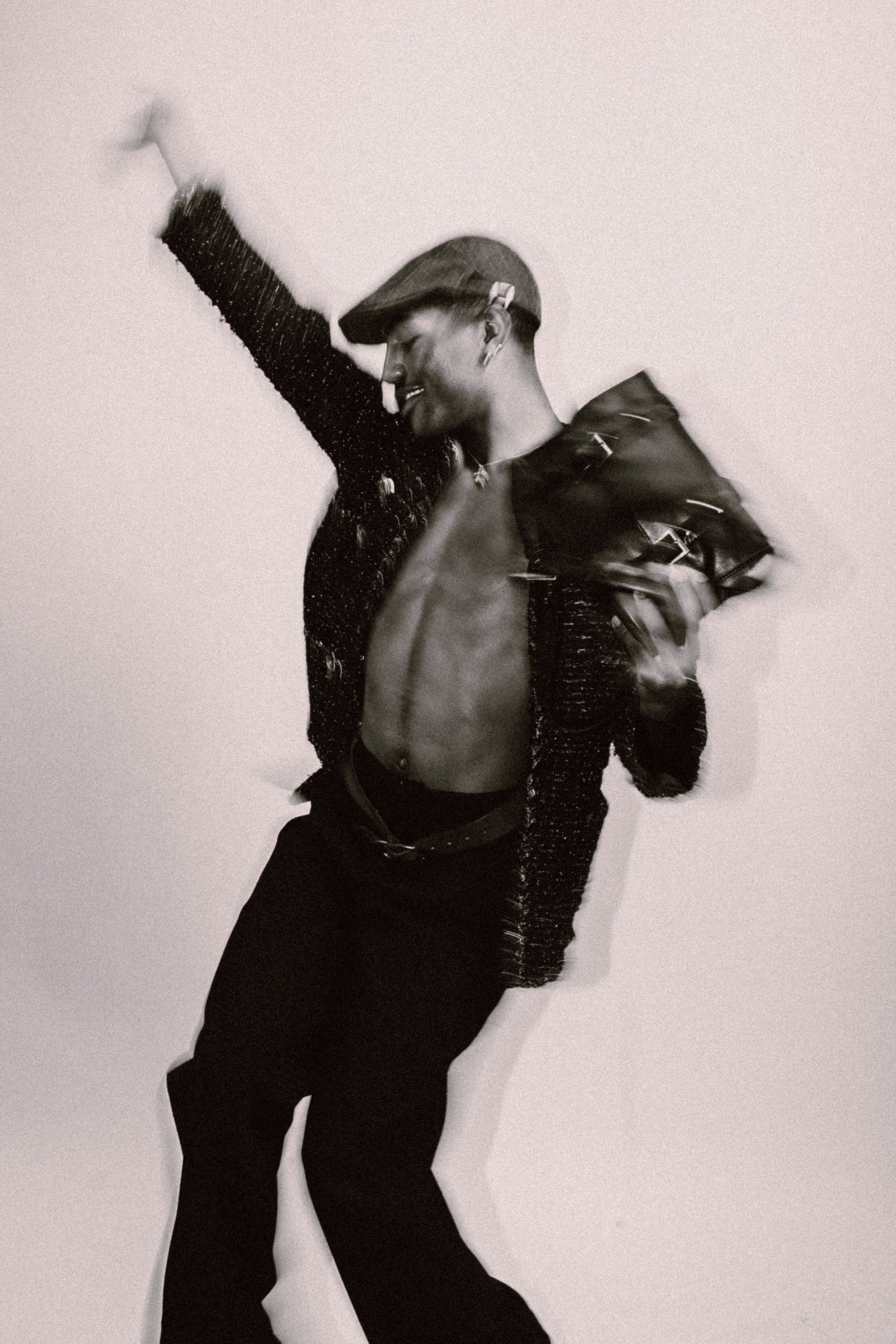
Thomas Foster for FAST at UCLA.
This “shade,” attempting to make a prettier pose than the competition, caught fire across balls and later took the name of “voguing.” Willi Ninja, the Godfather of Voguing and founder of the House of Ninja, famously said that these movements represented critique, rebellion, and a love of fashion culture. That connection between movement and identity continues today.
“Ballroom has allowed me to just live in my body,” revealed Thomas Foster, a third-year theater major and co-founder of the House of Bruin. “When I’m at practice, it keeps me going — constantly asking how I can express myself through movement.”
“It’s an empowering space…to be around other queer people that want better and see glamour and beauty in the world,” he added.
The history of voguing suggests that the fashion industry influenced ballroom culture, which, in turn, guides the greats within that original realm of high fashion. Many designers drew from ballroom styles in their avant-garde makeup and theatrical ethos. Some of the most notable include Vivienne Westwood and Jean Paul Gaultier.
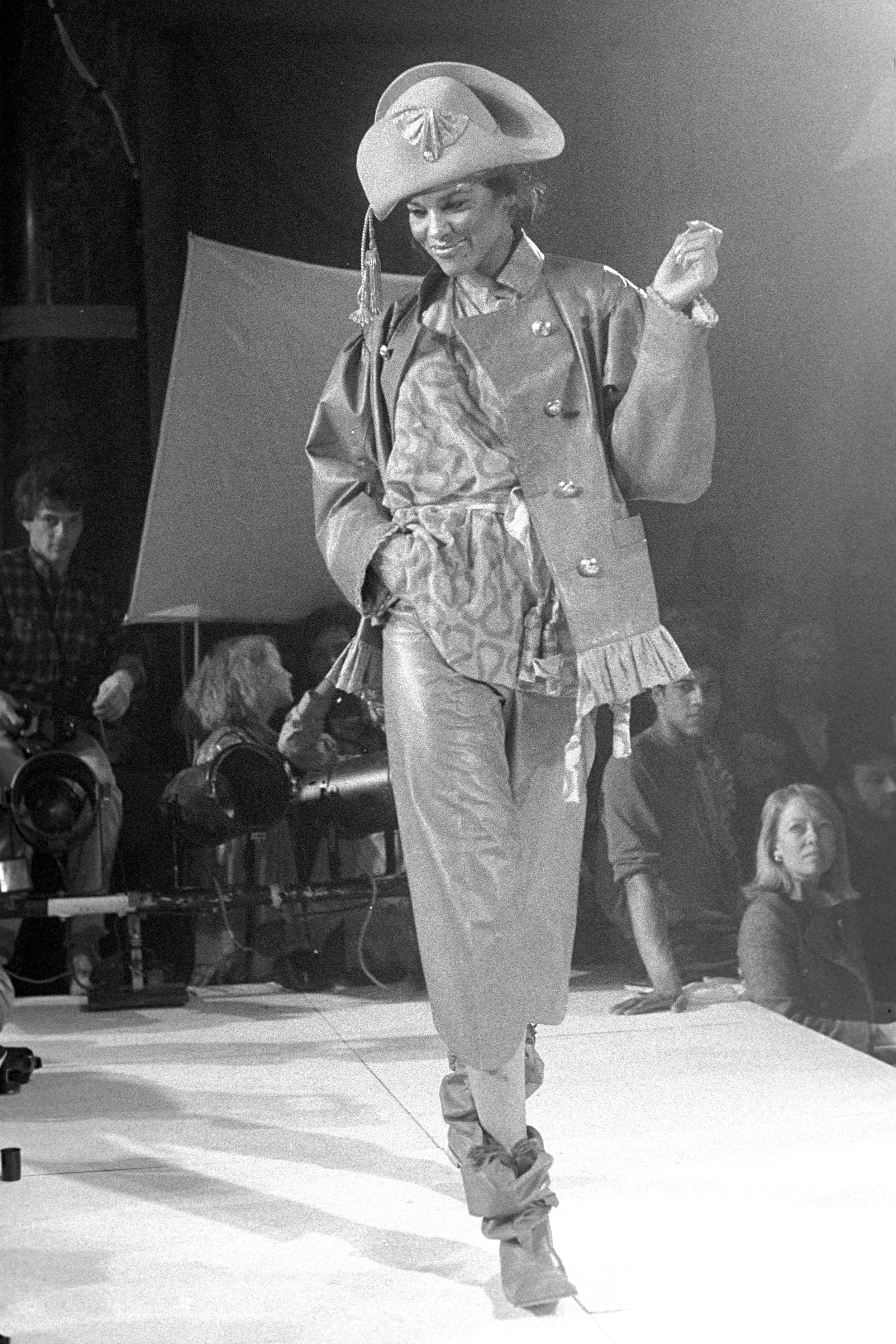
Westwood’s career was known for undermining the gender binary. Mirroring drag culture, the British designer let the male and female models of her 1981 Pirate collection pick their clothes, regardless of gender. She continued to play with androgyny in her later work and recreate the boldness of ballroom performances.
Like Westwood, many of Gaultier's garments celebrated gender fluidity, mirroring ballroom’s culture of gender performance. His Spring/Summer 1984 collection “Boy Toy” reimagined menswear. Gaultier “reinterpreted the sailor-striped sweater by giving it an open back,” which critics deemed “disrespectful.” He also featured men in skirts and kilts — echoing ballroom’s embrace of gender transgression and the freedom to walk in identities beyond the binary. His designs aligned with ballroom’s ethos of honoring non-conformity and utilizing fashion as a vehicle for self-definition.
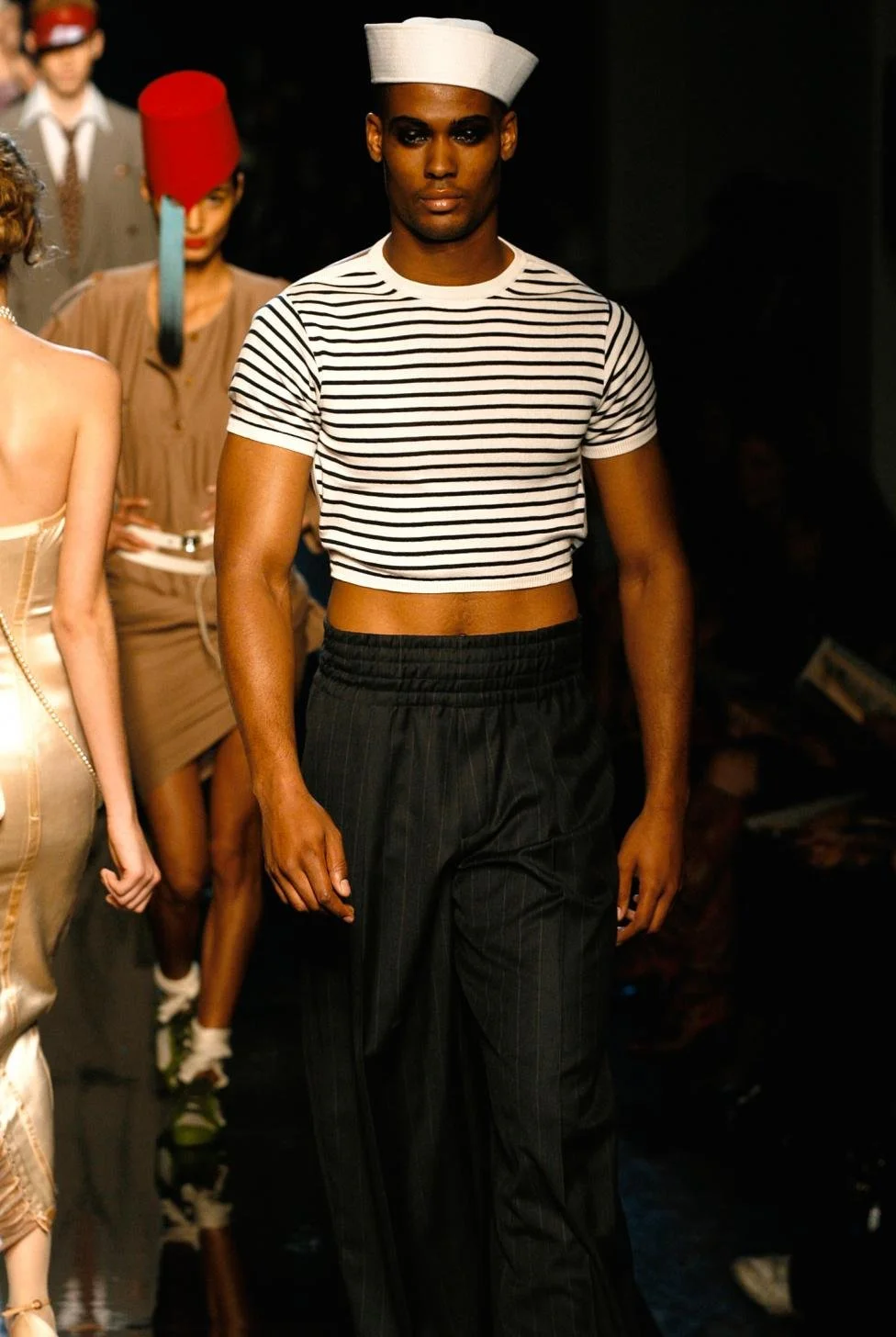
Jean Paul Gaultier’s 1984 “Boy Toy” Collection Reimagines Tradition. Source: National Gallery of Victoria.
Ballroom as a Form of Resistance & Self-Expression
The mere existence of the ballroom scene encapsulates political rebellion, especially for Black and Brown LGBTQ+ individuals who mainstream fashion often excludes. Figures such as Pepper LaBeija asserted how ballroom helped her manifest visions of wealth and prestige. By exaggerating the styles of the elite (e.g., fur coats, sequined gowns, and impeccably tailored suits), performers could fulfill fantasies while critiquing the structures that generally barred them from such luxuries. The 1980s Harlem ballroom scene had a profound influence that extended beyond fashion. It sketched a pattern for reclaiming identity through expression.
Today, ballroom style remains theatrical, symbolic, and deeply personal. Clothing is used to embody a category, challenge gender norms, or express a version of oneself that might not be safe or accepted elsewhere.
“Fashion is a form of resistance in ballroom,” Allen shared. “When I walk around in feminine clothing or makeup, that alone challenges the structures put in place to silence queer voices.” The HoB member highlights how style in ballroom is more than costuming. It is an act of autonomy — a declaration of defiance. Ballroom fashion marks a refusal to disappear.
Fourth-year political science and education major and co-founder of HoB Leian Mulatre agrees. “Ballroom to me means expression,” he said. “It’s honestly like therapy — where I can practice my emotions and let them out — a place where I’m not ostracized for it.”
His description echoes ballroom icons such as Dorian Corey, who said, “Everybody wants to make an impression, some mark upon the world.” By stepping out onto the runway and throwing shade, ballroom members do just that.
House of Bruin: Ballroom Culture on Campus
In spring 2023, ballroom arrived at UCLA. The House of Bruin emerged from conversations between friends searching for a queer community of color. More than a club, it is a chosen family for LGBTQ+ students, many of whom did not see themselves reflected in existing campus spaces.
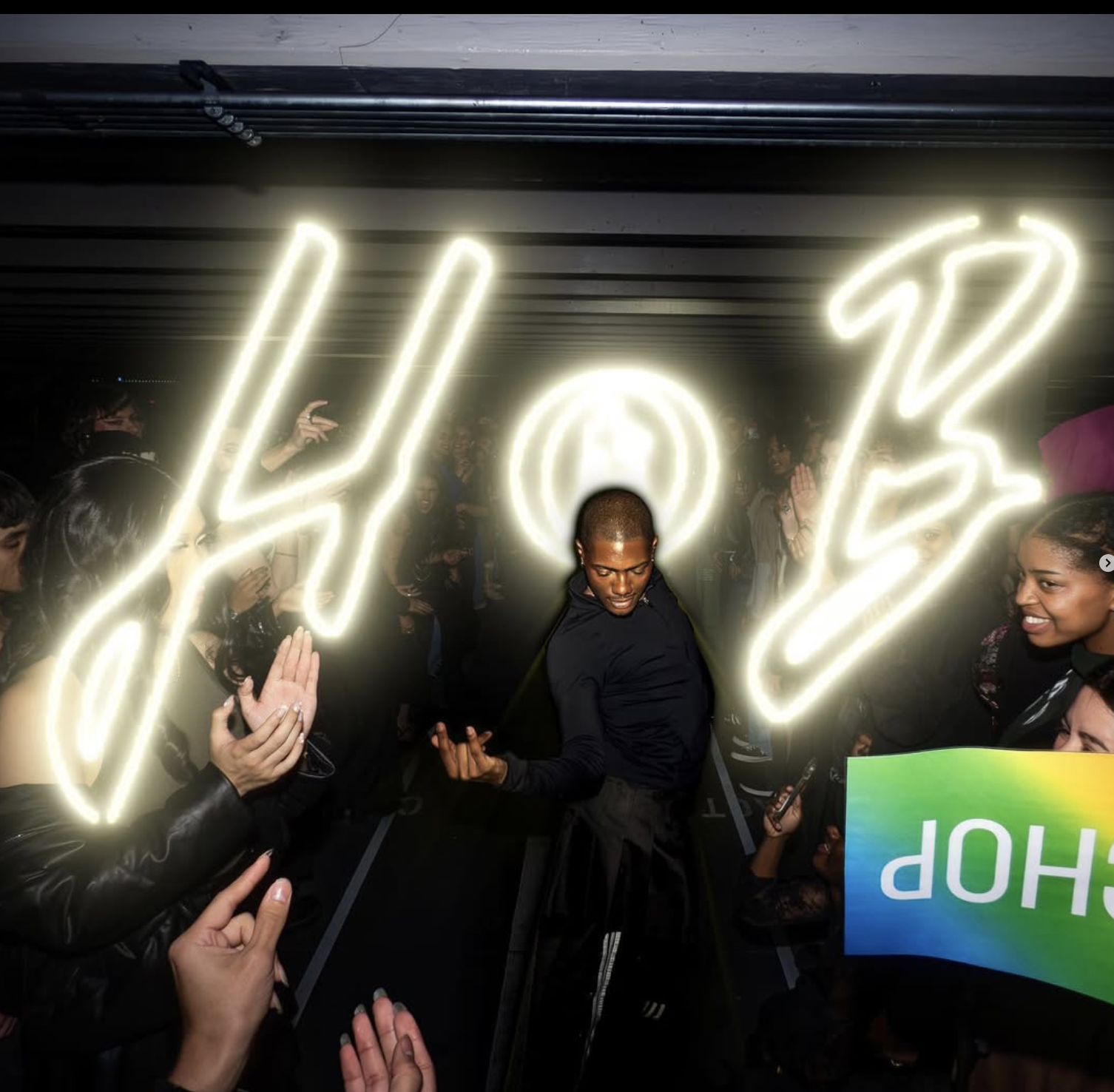
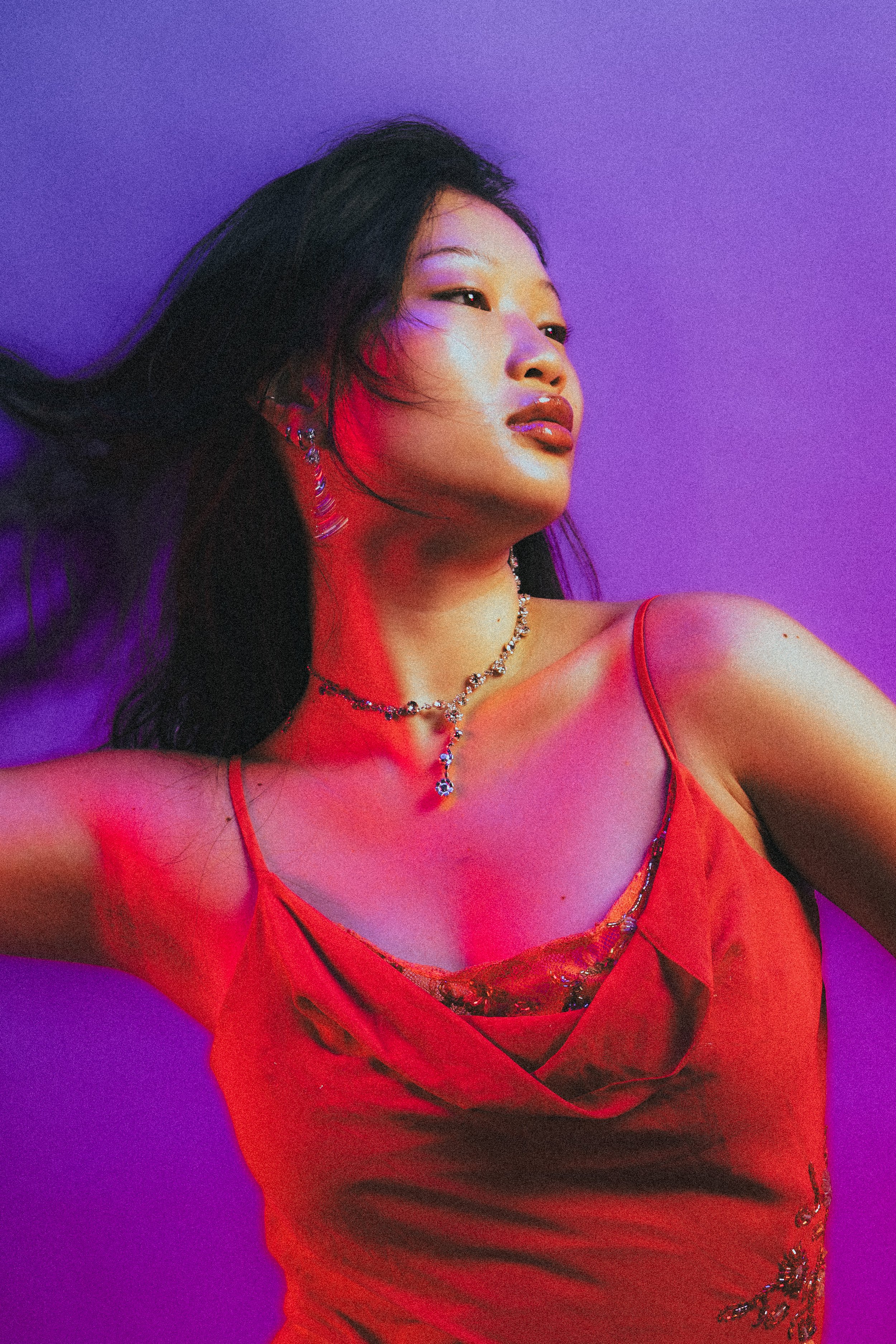
Regina Lee for FAST at UCLA.
“We just needed a space that emphasized Black queerness and queerness of color,” said Foster, explaining why he helped found the organization during his freshman year.
For Allen, ballroom had always been a digital fascination before it became a lived experience. “I got into the ballroom on TikTok,” he said. “But when I watched Paris Is Burning during quarantine, that’s when I realized…it’s not just about, you know, gay people dancing. It’s really a safe space for queer people regardless.”
“I don’t perform a lot of the time,” Allen noted. “I’m there for the vibes. Because watching someone perform…it genuinely makes my mental health just so much better.”
For fourth-year Public Affairs and Economics major and HoB member Regina Lee, ballroom became a kind of homecoming. She grew up near the ballroom scene in New York City, where she was born and raised, and eventually became part of it during college. “Ballroom became an outlet for expression,” Lee said. “It all really ties back to being a queer person of color and just trying to find that community.”
She later joined the House of Juicy Couture, a prominent Kiki House (a supportive, youth-focused ballroom family) with international members and a celebrated track record on HBO’s Legendary.
“You learn from people who have been a part of ballroom for decades. It’s amazing to learn more about the history of ballroom — the people that came before me,” Lee explained. “[My house] helps me walk my category a lot better, build that creativity, and win…win the big money.”
Mulatre emphasized that House of Bruin is so much more than a club. “It’s nice to know that I will always have a family here at UCLA no matter what,” he said. “I was scared of coming into such a big school and leaving all the way from Minnesota,” he shared. “It was a lot of emotions when I first got here, but having that org [HoB] my first year really took that all off.” Discussing the culture more broadly, Mulatre said, “What ballroom especially teaches is knowing yourself and confidence…it’s helped me [figure out] who I am.”
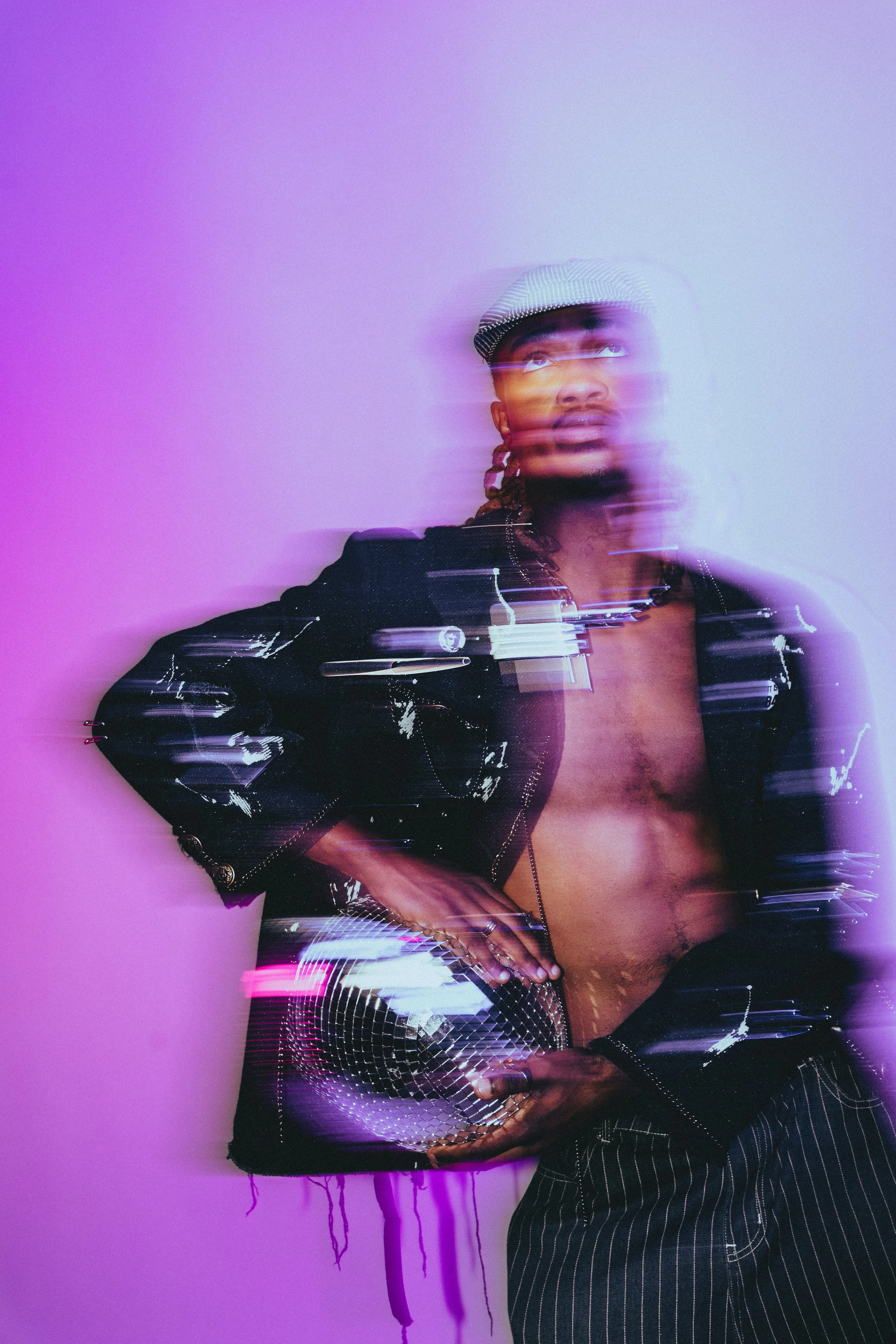
Leian Mulatre for FAST at UCLA.
Creativity, Fashion & Storytelling
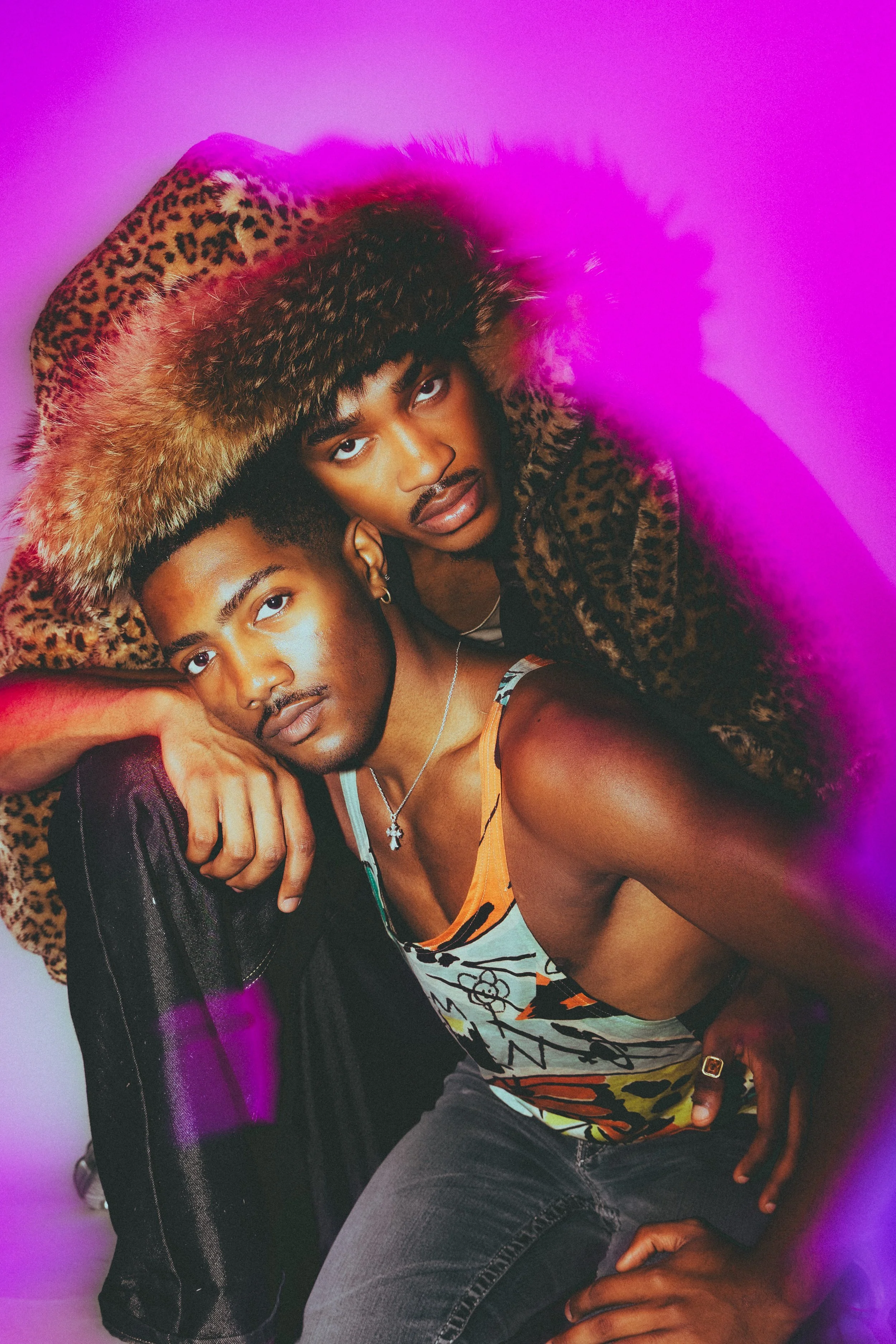
House members often view ballroom as narrative.
“When I see people in categories like ‘bizarre’ coming out in these amazing outfits that clearly took a lot of time,” Mulatre began. “It changes my outlook, too. It has made me more intentional.” The co-founder notes, “I look into my closet and ask, ‘Does it really reflect what I stand for?’”
He recalled a ball-themed Cowboys vs. Aliens. “I wanted to be different, so instead of a hat, I found this big black headpiece with a huge buckle,” he said as he compared the adornment to those worn by the King’s Guards. “Everyone saw that I was intentional about the story I was telling…it was also just really out there.”
“Fashion is just so telling of someone’s mood, their feeling, how they want the world to perceive them, and how they perceive themselves,” Foster added. Like Mulatre, he highlights the thoughtfulness central to ballroom fashion. “I’m in the House of Balenciaga, and my gay dad is Chuck Balenciaga. He makes me really go all in on my effects and make a moodboard a couple of months out,” the HoB co-founder shared. “I think it’s our world where we can just fully embody ourselves through our fashions,” he said.
Lee also echoes that feeling. She emphasized the role of effects, especially in her category, face. “I spent 30 hours looking through every single website, trying to find the perfect dress,” she said, when discussing a Hogwarts ball. “There’s so much stuff that comes in where your creativity matters, especially in your effects, your fashion choices, how you decorate yourself.”
“Ballroom has helped me build confidence and creativity overall,” she expressed.
Ballroom in the Mainstream: Who Gets Credit?
As ballroom gains visibility, so does debate. Artists, designers, and the entertainment industry as a whole borrow heavily from its movement and aesthetics. Madonna’s 1990 hit “Vogue” and Jennie Livingston’s film Paris Is Burning truly catapulted the ballroom scene into the mainstream. Nonetheless, with rising depictions, the phenomenon's cultural impact became overshadowed by selective representation/coverage.
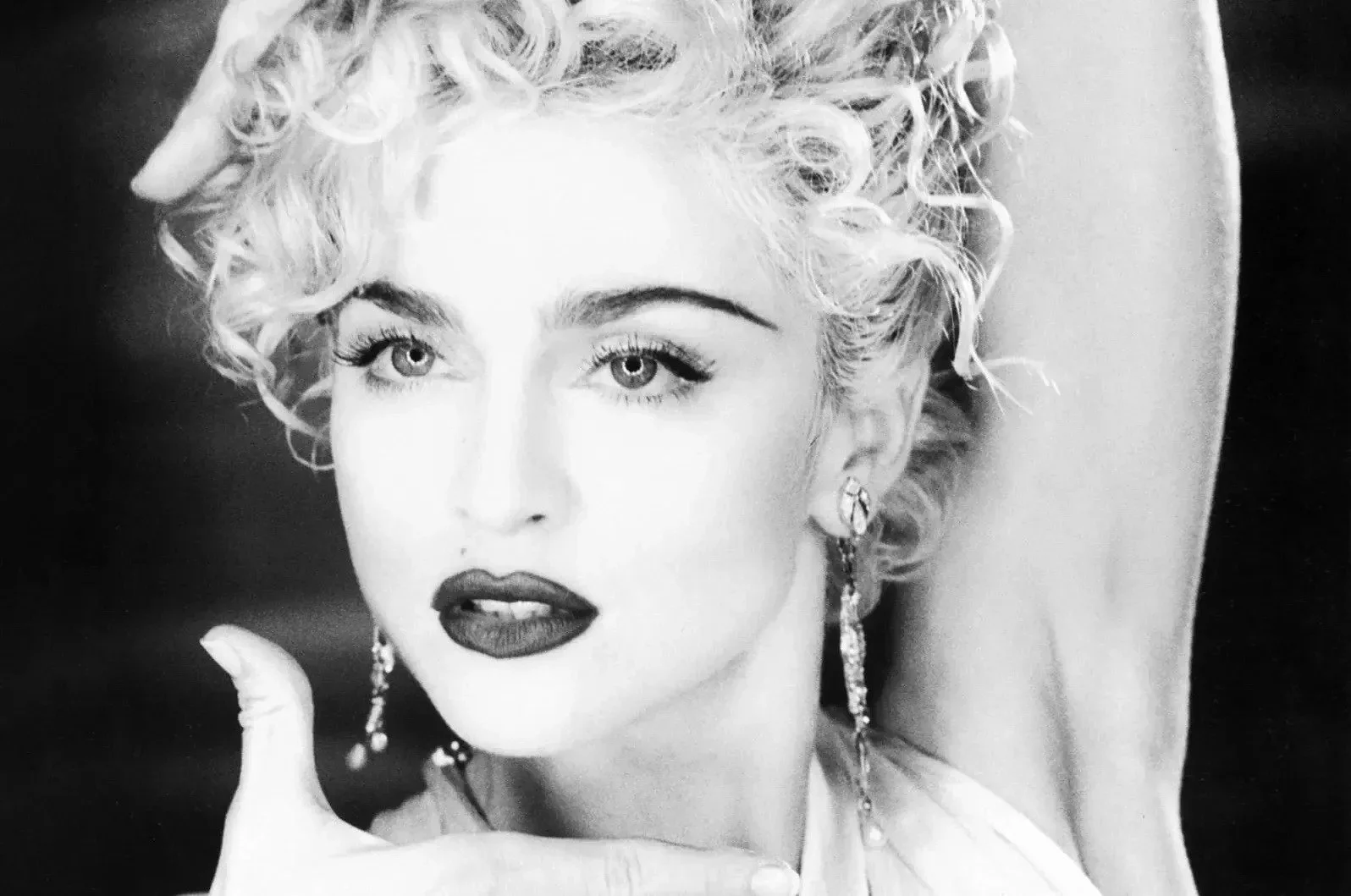
Articles about the queen of pop’s best-selling single typically focused on her individual creativity rather than that of the performers who inspired her. Although her music video featured José Xtravaganza and other prominent voguers, many accused the “Like a Virgin” singer of appropriating a culture she had no claim to. A global audience began mocking the exaggerated gestures of Harlem ballrooms.
Many continue to lack awareness of the deeper significance behind these movements. “It’s bittersweet,” Eli said. “People think voguing is just a death drop from watching two episodes of RuPaul. There are just these elements of ignorance when you become mainstream. The primary roots get lost.”
Lee agreed. “Ballroom had been this underground scene for so many years…now it’s global,” she said. “It’s important to understand the entire scene…to understand where voguing comes from.”
Ballroom culture was created out of necessity — to craft an inclusive version of high fashion and to defy the constraints of traditional society. When these elements, such as dramatic posing or gender-nonconforming outfits, are embraced by the same industry that neglected ballroom’s originators, it prompts a question: What are the impacts of visibility?
Liberation in Motion
The ballroom scene represents a revolutionary space — an exemplar of how Black and Brown queer and trans individuals have utilized fashion as a tool for self-expression, resistance, and innovation. Although often dismissed by the rest of society, this influence remains prevalent in contemporary trends.
The 2019 Met Gala theme, Camp: Notes on Fashion, looked to the ballroom archives. The event paid homage to theatrical fashion, the aesthetic ballroom greats had been shaping for decades. However, despite the obvious influence, many original creators remained uncredited. In contrast, popular celebrities such as Harry Styles received praise after the event for “breaking barriers” by “daring to wear” a pearl earring and sheer top.
LGBTQ+ creatives need to receive the acknowledgment they deserve. As fashion and ballroom style remain interconnected, the industry and mainstream culture must uplift these underrepresented voices whose work, struggles, and stories signify genuine efforts toward societal growth.
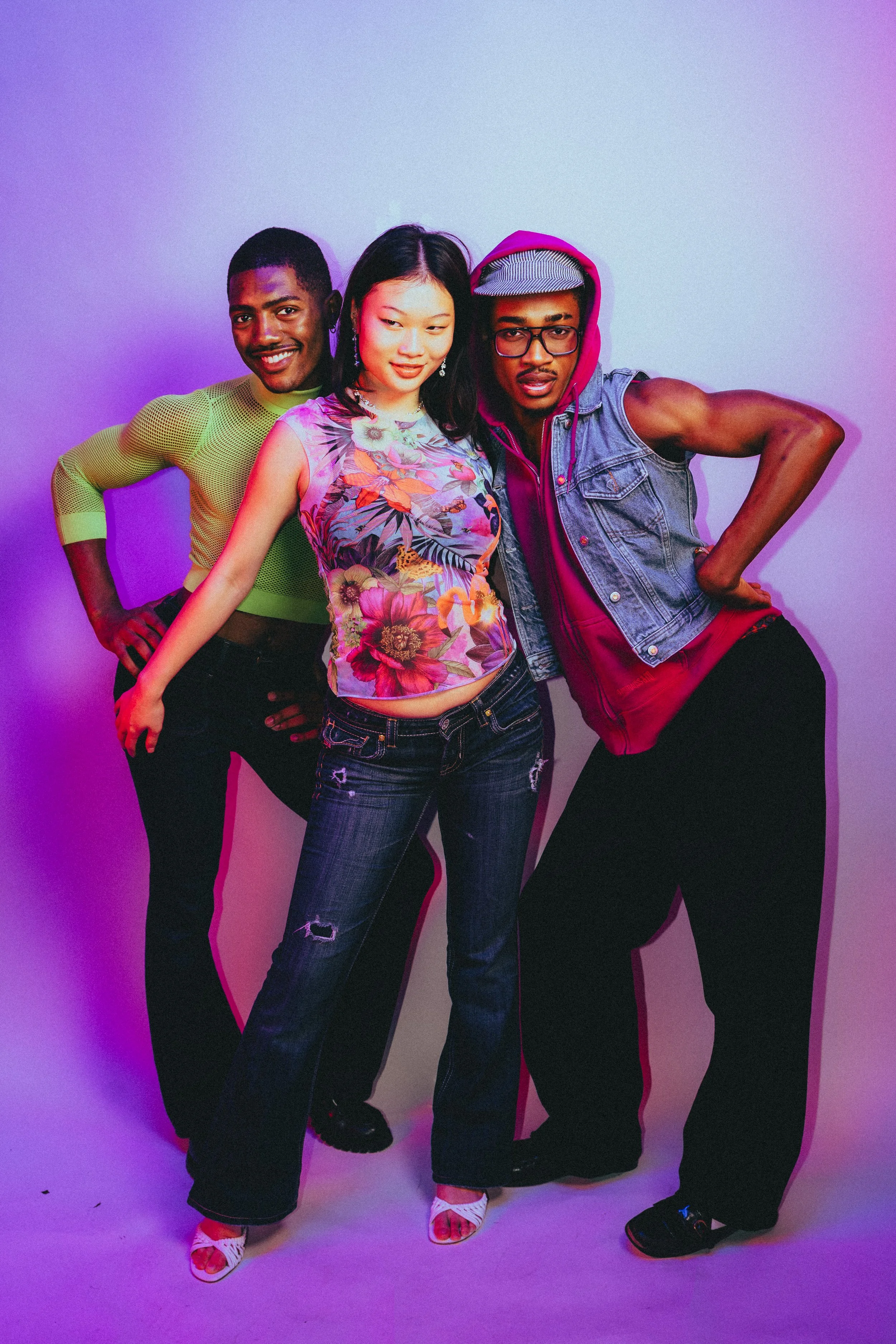

Ballroom outfits may be merely “creative” or “intriguing” upon first glance. Yet, interwoven in the looks of Pepper LaBeija, Dorian Corey, and those on campus, such as Regina Lee, are the ideals of empowerment and stitches of a lasting influence. From Harlem basements to UCLA Movement Studios, its spirit endures. “Expanding the bounds,” Mulatre began. “That’s what ballroom represents.”
“It is beautiful to have that sense of community…that sense of hope and resilience,” Lee expressed.
“When you’re in ballroom and you’re on a runway, it’s like, girl, you can be whatever you want,” Allen described. “Everyone’s like, ‘you’re eating that!’ and you know you’re exactly where you’re supposed to be. These types of feelings are what make it all worth it.”
“It’s about being yourself in community with each other,” Foster said. “Seeing queer people do what they love…that’s the beauty of ballroom.” Through each meticulous movement and every rhinestone on sparkly stilettos, the ballroom scene defines style and advances change: one competition, one look, and one pose at a time.